Maximising Industrial Covered Space: The 30′ x 80′ Commercial Tunnel Greenhouse

Introduction
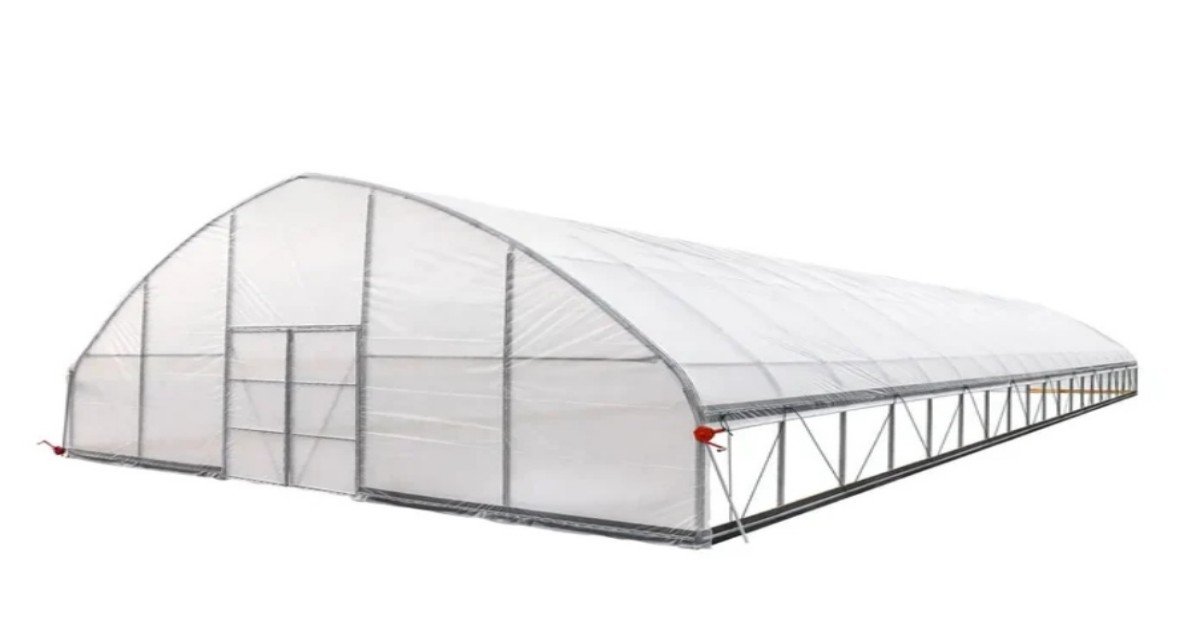
In the logistics and warehousing sector, the demand for flexible, costeffective covered space continues to grow. Whether for seasonal storage, equipment maintenance, or protection of materials from harsh Canadian weather, traditional permanent structures can be expensive and slow to erect. The 30′ x 80′ commercial tunnel greenhouse offers an alternative that combines rapid installation, durability, and ample interior space. Originally designed for agriculture, these largescale tunnel greenhouses are increasingly adopted by industrial facilities seeking temporary or semipermanent shelter. This article examines the technical aspects, safety considerations, and operational benefits of using such structures in Canadian industrial environments.
An example of this equipment category can be referenced here:
TMG 30′ x 80′ Commercial Tunnel Greenhouse with 6 Mil Clear Poly Covers and Roll-Up Sides TMG-GH3080
Applications in Industrial Logistics
Where a Large Tunnel Greenhouse Adds Value
- Seasonal storage – protecting inventory, pallets, or raw materials from snow, rain, and UV exposure.
- Maintenance and repair bays – creating a covered area for servicing forklifts, trucks, or yard equipment.
- Warehouse overflow – quickly expanding usable space during peak periods without constructing new buildings.
- Loading dock extensions – shielding goods during transfer between trucks and facilities.
- Employee amenities – providing sheltered break areas, smoking shelters, or bicycle storage.
How Covered Space Improves Safety and Productivity
Exposed work areas are subject to weather delays, which can halt operations and reduce throughput. A tunnel greenhouse provides a protected environment that allows tasks to continue regardless of rain, snow, or wind. For workers, this means fewer weatherrelated injuries such as slips on ice or heat stress in summer. Materials stored inside are shielded from moisture, reducing spoilage and maintaining quality. Additionally, the transparent EVA cover allows natural light to enter, reducing the need for artificial lighting during daytime and creating a more pleasant work environment. The result is higher productivity, lower energy costs, and improved employee morale.
Technical Specifications and Design Considerations
Structure and Materials
The 30 by 80 foot tunnel greenhouse typically features a galvanized steel frame with arched rafters spaced at regular intervals (often 4 to 6 feet apart). The frame is designed to withstand snow loads common in Canadian winters, provided it is properly anchored. The cover is made of 6millimeter clear EVA plastic, which offers high light transmission, UV resistance, and durability against tearing. End walls include rollup doors or zippered entrances for access. Ventilation is achieved through side curtains, roof vents, or end wall openings, which can be manual or motorized. The structure can be anchored to concrete footings, ground posts, or helical anchors depending on soil conditions.
Environmental Control
For industrial applications, maintaining a stable interior environment may be necessary. Passive ventilation can be supplemented with exhaust fans, while heaters can extend the usable season. The transparent cover allows solar gain, which can be managed with shade cloths or whitewash during summer. Operators should consider local building codes and wind/snow load requirements when selecting a model.
Factors Affecting Performance, Safety and Longevity
- Site selection and preparation – level, welldrained ground prevents water pooling and foundation movement.
- Installation quality – proper tensioning of the cover and secure anchoring are critical to withstand wind.
- Maintenance of cover and frame – regular inspection for tears, corrosion, or loose connections extends lifespan.
- Snow and ice accumulation – in heavy snow regions, structures must be cleared or designed with steep enough pitches to shed snow.
- Ventilation and condensation management – inadequate airflow can lead to mold growth on stored goods or structural corrosion.
Safety Best Practices for Tunnel Greenhouse Use
Before installation, verify that the structure meets local wind and snow load codes. During assembly, use appropriate fall protection if working at height. Ensure all personnel are trained in the safe operation of doors and ventilation systems. Regularly inspect the cover for UV degradation or mechanical damage, especially after storms. Keep emergency exits clear and marked. If heaters or electrical equipment are used inside, ensure they are rated for the environment and protected from moisture. Establish a snow removal plan for locations with heavy snowfall, using soft tools to avoid puncturing the cover.
Comparison with Other Temporary Shelter Options
Alternative Structures for Industrial Sites
- Fabric tension structures – similar in concept but often more expensive; offer higher durability and custom designs.
- Portable carports or tents – lower cost but smaller, less durable, and may not withstand heavy snow.
- Rigid frame buildings (preengineered) – permanent, high cost, long lead time; ideal for longterm use.
- Shipping container modifications – secure but limited space; not suitable for largescale coverage.
- 30×80 commercial tunnel greenhouse – balances cost, coverage, and rapid deployment; ideal for mediumterm needs.
Useful Accessories
Operators may add shelving systems, lighting, ventilation fans, heaters, and dehumidifiers. A secondary internal layer of shade cloth or insulating fabric can help regulate temperature. Rollup side walls provide additional access for forklifts. Some facilities install concrete or gravel floors for improved traction and cleanliness.
Advantages and Limitations
Advantages
- Costeffective – significantly lower initial investment than permanent buildings.
- Rapid deployment – can be erected in days rather than months.
- Natural light – reduces daytime lighting costs and improves visibility.
- Flexibility – can be relocated or expanded as needs change.
Limitations
- Durability – plastic cover may require replacement after 510 years depending on UV exposure.
- Limited insulation – not suitable for temperaturesensitive goods without active heating/cooling.
- Wind vulnerability – if not properly anchored, can be damaged in severe storms.
RealWorld Example: Calgary Warehouse Expansion
A distribution company in Calgary, Alberta, faced a sudden increase in inventory during the holiday season and had no indoor space to store pallets of nonperishable goods. They opted to install a 30′ x 80′ commercial tunnel greenhouse adjacent to their main warehouse. The structure was erected in four days and provided 2,400 square feet of covered storage. During the two months it was in use, the greenhouse protected goods from snow and ice, and the natural light allowed workers to locate items without additional lighting. The company reported zero weatherrelated damage to stored products and saved an estimated CAD 18,000 compared to renting offsite storage. After the peak season, the greenhouse was disassembled and stored for future use.
For broader land management and equipment solutions, industrial suppliers such as: TMG 30′ x 80′ Commercial Tunnel Greenhouse with 6 Mil Clear Poly Covers and Roll-Up Sides TMG-GH3080 for reliable options.
Conclusion and Future Outlook
The 30foot by 80foot commercial tunnel greenhouse is a versatile and practical solution for industrial sites needing temporary or semipermanent covered space. For Canadian warehouse managers and logistics professionals, it offers a way to quickly adapt to changing space requirements while maintaining safety and productivity. Looking ahead, we can expect integration of smart sensors for remote monitoring of temperature, humidity, and structural stress, as well as the use of more durable, recyclable cover materials. As industries continue to seek agile responses to space challenges, such tunnel greenhouses will remain a valuable tool in the facility manager’s portfolio.