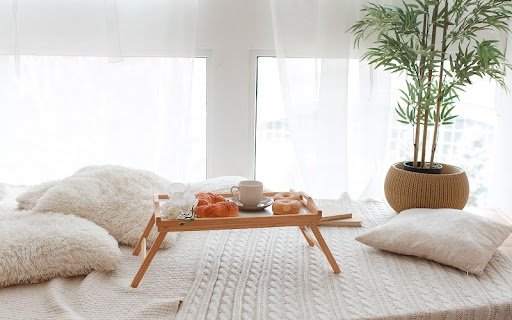
Key Highlights
- Japandi design blends Japanese functional minimalism with Scandinavian “hygge” or cosiness.
- A neutral and muted colour palette of beiges, sands, and soft greys is essential for this look.
- Natural materials like light wood, bamboo, and linen bring an organic warmth to the space.
- Decluttering and “wabi-sabi” principles focus on the beauty of simplicity and imperfection.
Introduction
Many homeowners are seeking a sense of peace and tranquility within their living spaces. This has led to the immense popularity of Japandi interior design for HDB flats, an aesthetic that perfectly balances two distinct yet complementary cultures. Japandi is a fusion of Japanese minimalism and Scandinavian functionality, resulting in a style that is both clean and incredibly comfortable.
While Japanese design focuses on zen-like simplicity and the appreciation of natural imperfections, Scandinavian design brings a sense of warmth and practical living. Together, they create a harmonious environment that feels spacious, light, and grounded. Applying this style to a standard HDB requires a thoughtful approach to materials, furniture selection, and layout, ensuring that the home remains functional for daily life while acting as a serene retreat from the outside world.
Establishing a Muted and Organic Palette
The foundation of any Japandi-inspired home is its colour palette, which should evoke a sense of calm from the moment you step through the door. Unlike traditional Scandi design, which often relies on stark whites and high-contrast blacks, Japandi leans into warmer, more organic tones. Think of soft oatmeal, muted sand, pale terracotta, and various shades of “greige.” These colours help to soften the look of a concrete HDB structure, making the rooms feel more inviting.
You can introduce broader accents through charcoal or chocolate brown, but these should be used sparingly to maintain the light and airy feel. By using a consistent palette across the entire flat, you create a seamless visual flow that makes the space feel larger and more cohesive, which is a hallmark of successful minimalist design.
Selecting Natural and Sustainable Materials
To truly capture the essence of Japandi, you must prioritise natural materials that bring the outdoors inside. Light-coloured woods, such as oak, ash, or maple, are quintessential for flooring and cabinetry. These materials provide a tactile warmth that is essential for the “hygge” aspect of the design. Complement the woodwork with other organic textures like linen curtains, wool rugs, and hemp or jute accessories.
In a Japandi interior design for HDB, you might also see elements of stone or clay, which add a sense of weight and permanence to the room. The key is to choose high-quality, sustainable materials that age gracefully over time. This connection to nature not only enhances the aesthetic appeal of the home but also contributes to a healthier and more peaceful living environment.
Prioritising Low-Profile and Functional Furniture
Furniture in a Japandi home should follow the principle of “less is more,” with a focus on clean lines and low-profile silhouettes. Japanese furniture often sits closer to the floor, which can help to increase the perceived height of the ceiling in an HDB unit. Look for sofas with slim frames, platform beds, and dining tables with simple, unadorned legs.
Every piece should serve a clear purpose and offer a sense of visual lightness. To maintain the Scandinavian influence, ensure that the furniture is also ergonomically comfortable and practical for everyday use. Avoid bulky, oversized pieces that dominate the room; instead, choose furniture that allows the space to breathe. This disciplined approach to furnishing ensures that your home remains uncluttered and easy to navigate.
ALSO READ: Budget Interior Design Tips for a Stylish Home Renovation in Singapore
Embracing Minimalism and Wabi-Sabi
At its core, Japandi is about more than just a look; it is a philosophy of intentional living. This involves decluttering your home to only the essentials and embracing the Japanese concept of “wabi-sabi,” which finds beauty in the natural cycles of growth and decay. Instead of striving for clinical perfection, allow for “perfect imperfections,” such as a handmade ceramic bowl with an irregular rim or the natural grain patterns in a wooden table.
Storage should be integrated and hidden to keep surfaces clear, but you can display a few carefully curated items that hold personal meaning. This creates a home that feels authentic and lived-in rather than like a sterile showroom. By focusing on quality, simplicity, and a few meaningful accents, you can achieve a timeless Japandi aesthetic.
Conclusion
Japandi design offers a unique way to transform a modern flat into a soulful and tranquil sanctuary. By blending the best of Japanese and Scandinavian traditions, you create a space that is both minimalist and deeply comfortable. This style is particularly well-suited for Singaporean homes, providing a much-needed antidote to the fast-paced nature of city life. With a focus on natural materials, muted colours, and functional beauty, your home can become a true reflection of balance and harmony.
Contact Home Guide to bring the tranquil elegance of Japandi interior design for HDB into your own home. Start your renovation journey with us today!