It’s easy to put off preventative healthcare. When you feel fine, a trip to the doctor for tests can seem unnecessary, and life has a way of pushing these appointments to the bottom of the to-do list.
Here’s the uncomfortable truth: many of the most serious health conditions develop silently, showing no symptoms until they’ve progressed to a dangerous stage. Preventative screenings are how you catch these issues early, when they’re most treatable.
Taking a proactive approach to your health, from routine screenings to supporting your body with quality nutrition and supplements like Fatty15, is one of the smartest investments you can make in your future. Here are six preventative screenings worth prioritizing this year.
1. Blood Pressure Screening
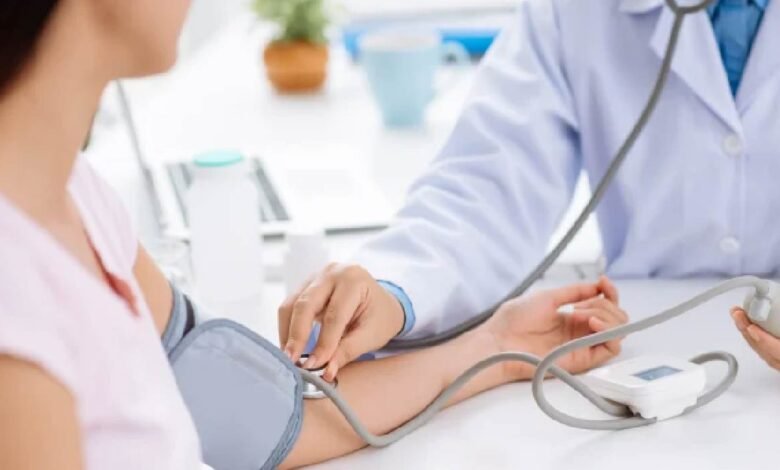
High blood pressure is often called the “silent killer” for a reason. It frequently has no symptoms, yet it can lead to stroke, heart attack, and other serious complications if left unchecked. This is one of the simplest and quickest screenings available, and it should be part of every routine checkup.
Because blood pressure can creep up gradually without any warning signs, regular monitoring is essential for adults of all ages. Catching elevated blood pressure early allows you to make dietary, exercise, and lifestyle changes, or start medication if needed, before it causes lasting damage.
2. Cholesterol and Lipid Panel
A lipid panel is a simple blood test that measures your cholesterol and triglyceride levels, which are critical indicators of cardiovascular risk. High cholesterol contributes to plaque buildup inside your arteries, increasing your risk of heart attack and stroke.
Like high blood pressure, high cholesterol typically produces no symptoms. Most adults over 20 should have their cholesterol checked periodically, with more frequent testing recommended if they have risk factors such as heart disease or diabetes. Knowing your numbers empowers you to take action through diet, exercise, and medical treatment when necessary.
3. Blood Sugar and Diabetes Screening
Type 2 diabetes and prediabetes are increasingly common, and catching them early can be life-changing. A simple blood test can detect early signs of prediabetes, giving you the chance to make lifestyle changes that can prevent full-blown diabetes from developing.
The American Diabetes Association recommends that screening for most adults begin at age 35, with repeat testing at least every three years if results are normal. People who are overweight, physically inactive, or have a family history of diabetes may benefit from earlier or more frequent screening. Early detection is key to avoiding the serious complications diabetes can cause.
4. Cancer Screenings
Cancer screenings are among the most important preventative tests you can get, because they can identify cancer while it’s still asymptomatic and most treatable. The specific screenings you need depend on your age, sex, and risk factors.
Common cancer screenings include mammograms for breast cancer, Pap tests for cervical cancer, colonoscopies for colorectal cancer, and skin checks for skin cancer. For those with a significant smoking history, a low-dose CT scan can screen for lung cancer and has been shown to reduce lung cancer deaths by catching it early. Talk to your provider about which cancer screenings are appropriate for you and when to start them.
5. Bone Density Screening
As we age, our bones can lose density, becoming weaker and more susceptible to fractures. This condition, called osteoporosis, often progresses without any symptoms until a bone actually breaks. A bone density scan can detect this loss before it leads to a serious fracture.
This screening is particularly important for post-menopausal women and older adults, who are at the highest risk for osteoporosis. Catching bone loss early allows for interventions, including diet, exercise, and medication, that can strengthen bones and prevent debilitating fractures that often accompany advanced osteoporosis.
6. Mental Health Screening
Mental health screenings support the early identification of conditions like depression and anxiety, allowing for earlier intervention and better outcomes. These screenings are increasingly recognized as an essential part of comprehensive healthcare.
A brief conversation with your provider about your mood, stress levels, and emotional well-being can flag concerns before they escalate. Mental health is deeply connected to physical health, and addressing it proactively is just as important as monitoring your blood pressure or cholesterol.
Make This the Year You Prioritize Prevention
The common thread through all of these screenings is that they detect problems early, often before symptoms even appear, when treatment is most effective, and outcomes are best. While the specific screenings you need vary based on your age, sex, family history, and risk factors, staying in regular communication with your healthcare provider ensures you get the right care at the right time.
Think of preventative screenings as an investment in your future self. A little time and effort now can save you from far more serious health challenges down the road. Schedule your annual checkup, have an honest conversation with your provider about which screenings you need, and take charge of your health this year. Your future self will thank you.