

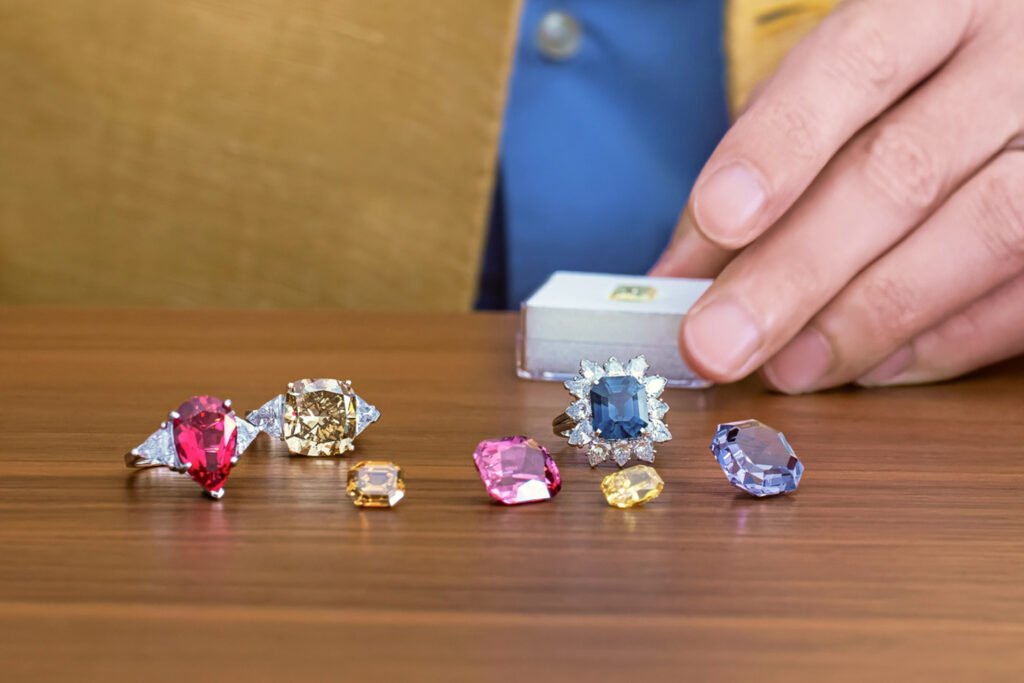
Gemstones have captivated humanity for millennia, their radiant hues evoking stories of power, protection, and passion. Today, ethical sourcing and innovative creation methods ensure these treasures shine without compromising the planet or people. This exploration delves into how conscientious choices bring enduring brilliance to personal adornments.
Ancient Roots of Gemstone Allure
Civilizations long ago recognized gemstones’ mystical qualities. Ancient Egyptians carved lapis lazuli and turquoise into amulets for nobility, believing they would ward off evil and guide souls in the afterlife. Babylonians polished stones around 3000 BC, marking early steps in jewelry craftsmanship.
During the Renaissance, trade routes introduced Colombian emeralds and Burmese rubies to Europe, transforming raw finds into symbols of status. Artisans refined cuts, blending gems with gold to create pieces that reflected wealth and artistry. These traditions laid the foundation for gemstones as more than decoration—they embodied cultural narratives.
Symbolic Meanings Endure
Each gem carries layered significance, influencing wearers across eras. Sapphires denote wisdom and serenity, their deep blues linked to ancient royalty seeking clarity. Rubies ignite passion and vitality, evoking the heart’s fire in lore from India to medieval Europe.
Emeralds symbolize renewal and hope, tied to fertility myths in South America. Amethysts promote peace; Greek philosophers once thought they shielded against intoxication.
Selecting a stone often aligns with personal intent, turning jewelry into a quiet talisman for daily life.
Ethical Challenges in Traditional Sourcing
Mining natural gems has shadowed beauty with hardship. Operations can scar landscapes, erode soil, and pollute waterways with chemicals like cyanide. In some regions, unfair labor practices persist, including unsafe working conditions and low wages.
Conflict gems from unstable areas fuel unrest, complicating provenance. Demand for rarity drives these practices, yet transparency efforts, such as traceability programs, now verify cleaner supply chains. Consumers increasingly seek assurance that sparkle does not come at humanity’s expense.
Laboratories replicate nature’s wonders through controlled processes like chemical vapor deposition or hydrothermal synthesis. These methods yield gems identical in composition, durability, and fire to mined ones, minus environmental toll. No habitat destruction occurs, and energy use stays far below extraction scales.
Ethically, lab-grown gems eliminate exploitation risks and offer full chain-of-custody visibility. They match optical brilliance, from moissanite’s diamond-like dazzle to sapphire’s velvety depth. Affordability broadens access, democratizing quality without scarcity premiums.
Luxury Necklaces with Conscience
In the realm of luxury necklaces, ethical gems elevate designs from delicate chains to statement pendants. Gold settings pair with lab-created rubies or responsibly sourced emeralds, draping elegantly against skin. These pieces blend modern minimalism with bold layers, making them suitable for any story.
Consumers favor conflict-free options, supporting recycled metals alongside gems. Versatility shines: stack thin chains for everyday poise or let a solitaire pendant command attention. Such choices prove opulence and integrity coexist seamlessly.
Crafting Sustainable Futures
Jewelry makers now prioritize fair trade and eco-materials. Recycled gold reduces mining, while low-impact polishing conserves resources. Certifications guide purchases, ensuring artisans earn fair pay in safe workshops.
Innovation continues, with gems engineered for colorfastness and resilience. Wearers contribute to progress by questioning origins, fostering industry shifts. Ethical gems not only adorn but affirm values, their glow a beacon for responsible luxury.
This mindful approach ensures the legacy of gemstones endures, sparkling across generations with untainted light.