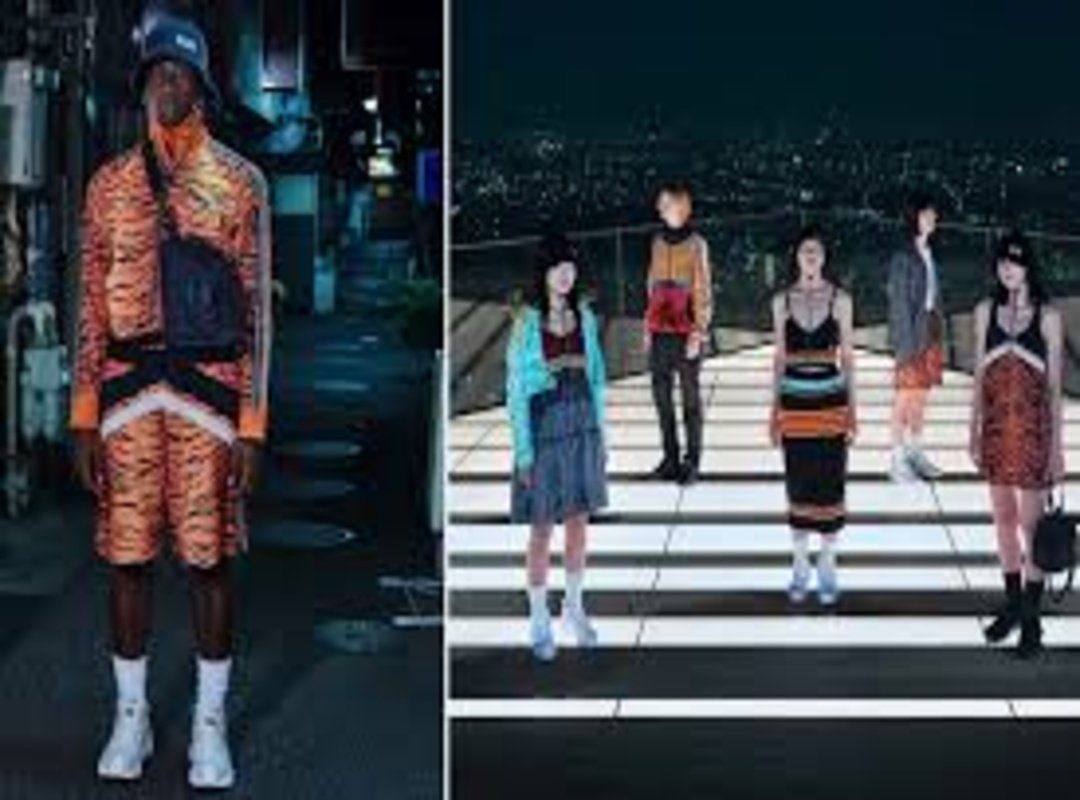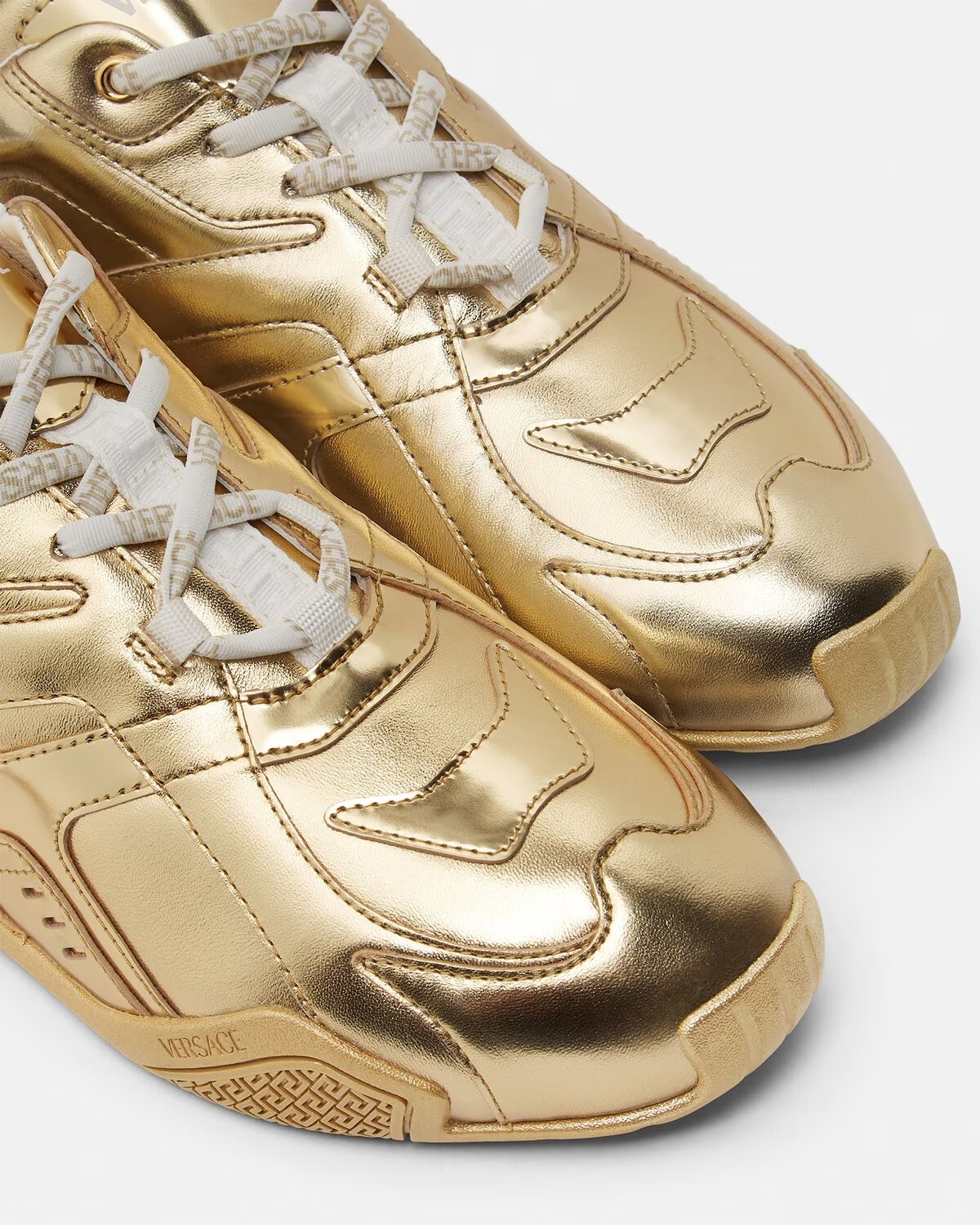

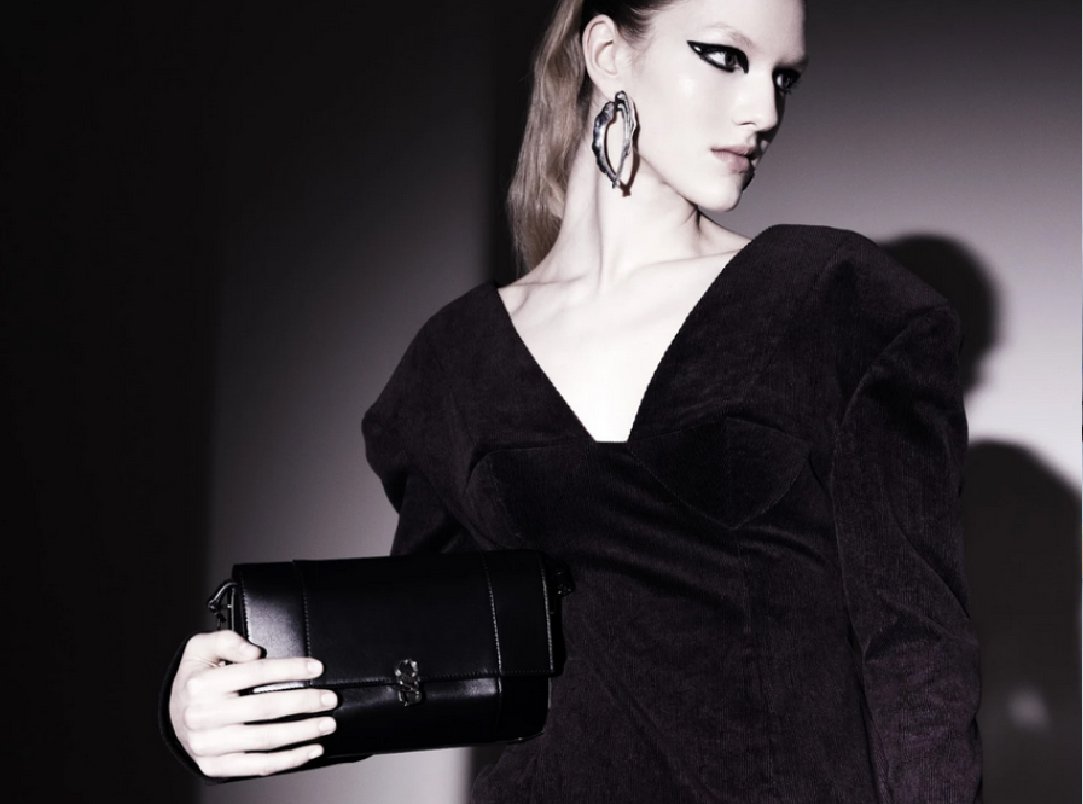
Fast fashion taught us to shop for “more”: more colors, more trends, more items for every occasion. Yet the result is often a crowded closet and the persistent feeling that there’s still “nothing to wear.” A more thoughtful approach starts with fewer pieces that do more – garments designed with intention, made to last, and meant to be worn repeatedly. Choosing a design fashion dress is not about chasing novelty; it’s about building a wardrobe that supports your real life, your values, and your personal silhouette.
Why Mass-Market Quantity Rarely Feels Like Abundance
Mass-market clothing is optimized for speed and volume. Trend cycles shorten, materials and construction often prioritize low cost, and many pieces are designed to look good briefly rather than live well for years. The hidden cost is decision fatigue: dozens of items, but few that truly fit your body, align with your style, or feel right on the skin.
A wardrobe built on quantity also fragments your identity. When everything is “of the moment,” nothing feels like you. In contrast, two well-chosen designer dresses can become anchors – reliable, expressive, and easy to style – bringing clarity instead of clutter.
The Two-Dress Formula: Fewer Pieces, More Outfits
1) The Day-to-Night Dress
Look for a silhouette that holds structure without stiffness, with details that read refined in daylight and elevated at night. With one dress, you can create multiple looks by changing only shoes, jewelry, and outerwear. A flat and a tote shift it into daytime; a heel and a sharper accessory turn it into an evening statement.
2) The “Signature” Dress
This is the piece that captures your personal code – your favorite line, your most flattering length, the cut that makes you stand taller. It doesn’t need to be loud; it needs to be unmistakably yours. When designed with precision, it becomes the dress you return to again and again, season after season.
What Makes a Designer Dress Replace Ten Mass-Market Items
Quality You Can Feel
When a dress is made with careful tailoring and considered materials, it keeps its shape, moves beautifully, and stays presentable longer. The difference shows in the drape, the seams, and the way the garment sits on the body.
Design That Respects the Wearer
Thoughtful design is not decoration – it’s problem solving. It considers comfort, proportion, and function: how you walk, sit, commute, work, and celebrate. The best pieces don’t demand effort; they support you.
Longevity as a Style Strategy
A dress that remains relevant over time is more than “timeless.” It’s versatile enough to adapt, and distinctive enough to feel special. This is how you replace constant buying with deliberate choosing.
A Wardrobe That Reflects Values, Not Impulses
Buying fewer, better pieces is also a way to consume more consciously. It reduces waste, lowers the pressure of endless trend-chasing, and encourages a closer relationship with what you own. When you care for a garment and wear it often, it becomes part of your story – not a disposable purchase.
Conclusion
The simplest closet is not the smallest one – it’s the most intentional one. Two designer dresses can cover more occasions than a drawer full of “almost-right” items, while offering consistency, comfort, and self-expression. This philosophy resonates with SAGIO: thoughtful design, respect for craftsmanship, and the belief that clothing should empower the wearer through quality, purpose, and lasting style.