HVAC ductwork hides problems that cost building owners thousands of dollars each year. Hidden leaks allow conditioned air to escape into wall cavities, blockages force systems to work harder than necessary, and microbial contamination silently degrades indoor air quality for occupants. Traditional inspection methods often require cutting access holes or dismantling sections of ductwork, creating additional repair needs and extended downtime. These challenges make preventive maintenance difficult and expensive, yet neglecting duct inspections leads to escalating energy bills, premature equipment failure, and potential health hazards.
The high-resolution endoscope inspection camera has transformed how HVAC professionals approach ductwork diagnostics. This specialized tool allows technicians to visually examine the interior of ducts, plenums, and other confined spaces without destructive access methods. This article explores the benefits and key features of high-resolution endoscope cameras designed for HVAC applications, provides a practical guide for their use in the field, and examines how they deliver measurable value to commercial and residential service providers. Whether you’re evaluating your first inspection camera or upgrading existing equipment, the sections ahead will help you make informed decisions about this essential diagnostic technology.
What is an Endoscope Inspection Camera for HVAC?
An endoscope inspection camera designed for HVAC applications is a specialized visual diagnostic tool that allows technicians to examine the interior surfaces of ductwork, plenums, air handlers, and other enclosed system components without physical disassembly. Unlike general-purpose borescopes used in automotive or plumbing work, an endoscope for HVAC features probe lengths, diameters, and durability ratings specifically engineered for the unique geometry and environmental conditions found in air distribution systems.
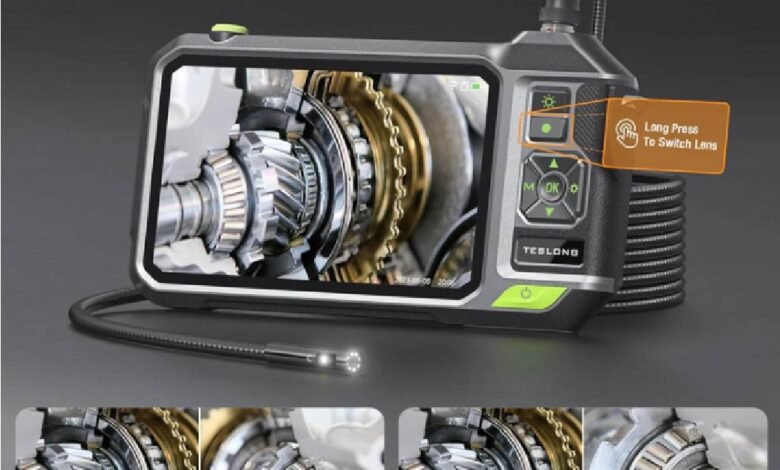
The core components include a flexible or semi-rigid probe tipped with a miniature camera head, integrated LED lighting to illuminate dark duct interiors, a handheld or mounted display unit for real-time viewing, and intuitive controls for adjusting image parameters. Modern commercial inspection cameras are available in both wired configurations, which offer stable signal transmission over longer distances, and wireless models that provide greater freedom of movement on job sites. Over the past decade, adoption has accelerated in commercial HVAC settings as building codes tighten, indoor air quality standards evolve, and facility managers demand documented proof of system condition. What began as a niche tool has become standard equipment for service contractors performing routine maintenance, pre-purchase assessments, and post-remediation verification across residential and commercial properties alike.
The Critical Role of High-Resolution Imaging in Ductwork Inspection
Image clarity determines whether a technician catches a developing problem or misses it entirely. High-resolution inspection delivers the pixel density needed to distinguish between a harmless shadow and an early-stage mold colony, or to spot hairline cracks in flex duct connections that would be invisible on a grainy feed. When a camera captures fine surface detail, technicians can differentiate dust accumulation from microbial growth, identify the exact location of sealant failures at joints, and assess the severity of corrosion on metal surfaces—all without second-guessing what they’re seeing on screen.
The practical difference between low and high-resolution outcomes is substantial. A standard-definition camera might reveal that debris exists in a trunk line, but a high-resolution system shows whether that debris is construction material, pest droppings, or deteriorating duct liner—each requiring a completely different remediation approach. This precision directly reduces callbacks and unnecessary repairs. Instead of recommending a full duct cleaning based on ambiguous footage, a technician armed with sharp imagery can target specific problem areas, saving the customer money while building trust through documented evidence. For commercial facilities where indoor air quality complaints trigger regulatory scrutiny, high-resolution imaging provides the defensible documentation that facility managers and building inspectors require to verify compliance and justify maintenance expenditures.
Key Features for Effective Ductwork Navigation and Inspection
Selecting the right HVAC inspection camera means prioritizing features that address the unique physical constraints and diagnostic demands of ductwork systems. Two capability areas matter most: the ability to physically reach and maneuver through complex duct geometries, and the imaging quality needed to capture actionable detail once you arrive at a problem area.
Maneuverability and Flexibility for Ductwork Navigation
Ductwork presents tight turns, vertical risers, and narrow branch lines that punish rigid equipment. A probe with multi-directional articulation at the camera tip allows technicians to steer around 90-degree elbows and navigate reducer fittings without losing orientation. Probe diameter matters—thinner cables access smaller branch ducts, while longer probes reaching 15 feet or more allow inspection of trunk lines from a single access point. Semi-rigid construction offers the best balance, maintaining enough stiffness to push through horizontal runs while flexing through bends without kinking. Waterproof and dustproof ratings protect the camera head in environments where condensation, standing water, or heavy particulate are common. When approaching obstacles, advancing the probe slowly while watching the live feed prevents damage to both the camera and fragile flex duct materials.
High-Resolution Capabilities and Advanced Imaging
Resolution at 1080p serves as the practical minimum for professional HVAC work, while 4K sensors capture the fine grain detail needed for documenting microbial growth patterns or hairline sealant failures. Adjustable LED brightness prevents glare on reflective metal surfaces and ensures adequate illumination in insulated fiberglass-lined ducts that absorb light. Digital zoom, auto-focus, and image stabilization compensate for the unavoidable probe movement during insertion. Many commercial inspection cameras from manufacturers like Teslong now integrate directly with reporting software, allowing technicians to tag captured images with location data and export findings into client-ready documentation without manual file transfers.
Step-by-Step Guide to Using an Endoscope Camera for HVAC Ductwork Inspection
Successful ductwork inspection follows a systematic process that maximizes diagnostic accuracy while protecting both the equipment and the duct system. Before inserting any probe, begin with preparation and safety checks. Power down the HVAC system completely, verify lockout/tagout procedures are followed, and identify all available access points on the duct layout drawing. Confirm the camera battery is fully charged, the lens is clean, and storage media has sufficient capacity for the inspection scope.
Next, select appropriate camera settings before insertion. Adjust resolution to the highest available setting for initial passes—you can always downgrade file size later, but you cannot recover detail that was never captured. Set LED brightness to a medium level as a starting point, since you’ll fine-tune once inside the duct based on surface reflectivity. Enable image stabilization if available, and activate the date/time stamp overlay for documentation integrity.
Insert the probe slowly through the chosen access point, feeding it steadily while monitoring the live display. Maintain gentle forward pressure and use articulation controls to navigate elbows rather than forcing the probe around corners. When you encounter areas of interest—visible debris, discoloration, damaged insulation, or joint separations—pause advancement and capture both still images and short video clips from multiple angles. Narrate findings verbally if your unit supports audio recording, noting the approximate distance from the access point and duct section identifier.
After completing the inspection path, withdraw the probe carefully using the same controlled pace. Review captured media immediately on-site while conditions are fresh in memory, flagging critical findings that require urgent attention. Transfer files to your reporting platform, organize images by location, and generate a client-facing report that pairs visual evidence with recommended actions. Common pitfalls to avoid include rushing probe insertion speed, which causes blurred footage and risks snagging on internal duct components, neglecting to white-balance the camera for accurate color representation of potential mold, and failing to document the probe’s path, which makes it impossible to correlate findings with specific duct sections during follow-up repairs.
Applications and Benefits for HVAC Professionals
HVAC inspection cameras serve technicians across a wide range of diagnostic scenarios beyond standard duct surveys. Professionals routinely deploy endoscope cameras to examine evaporator and condenser coils for fouling, inspect blower assemblies for debris accumulation, verify damper operation inside inaccessible plenums, and assess dryer vents for lint buildup that creates fire hazards. Commercial facilities use these tools during tenant turnover inspections, post-construction verification to confirm ductwork cleanliness before occupancy, and annual preventive maintenance programs that document system condition over time.
The operational benefits compound quickly. A single HVAC inspection camera eliminates hours of exploratory demolition, allowing technicians to diagnose problems in minutes rather than half-days. Labor costs drop because one person with a camera replaces a two-person crew cutting and resealing access panels. Repair accuracy improves dramatically when technicians can show customers exactly what’s wrong—a video of a collapsed flex duct connection is far more persuasive than a verbal explanation. This visual evidence builds customer confidence, reduces disputes over recommended work, and generates higher approval rates for proposed repairs. For commercial service providers managing multiple buildings, documented inspection histories create recurring revenue through scheduled monitoring programs while demonstrating compliance with indoor air quality standards that facility managers must satisfy.
Investing in Endoscope Camera Technology for HVAC Diagnostics
High-resolution endoscope cameras have fundamentally changed how HVAC professionals diagnose and document ductwork problems. The ability to visually confirm conditions inside sealed air distribution systems—without cutting access holes or dismantling components—saves time, reduces labor costs, and delivers the diagnostic precision that both technicians and building owners demand. Sharp imaging separates actionable findings from guesswork, enabling targeted repairs instead of costly blanket remediation approaches.
The features that matter most align directly with the physical realities of ductwork: articulating probes that navigate tight geometries, resolution capable of distinguishing mold from dust, and integrated documentation tools that turn raw footage into professional reports. These capabilities address the core challenges HVAC professionals face daily while building credibility with customers through transparent, visual evidence of system conditions.
As indoor air quality regulations tighten and building owners increasingly expect data-driven maintenance programs, inspection camera technology will continue advancing toward higher resolution sensors, longer battery life, and deeper software integration. Investing in a quality endoscope camera now positions your service operation to meet these evolving expectations while immediately improving diagnostic efficiency on every ductwork inspection you perform.