
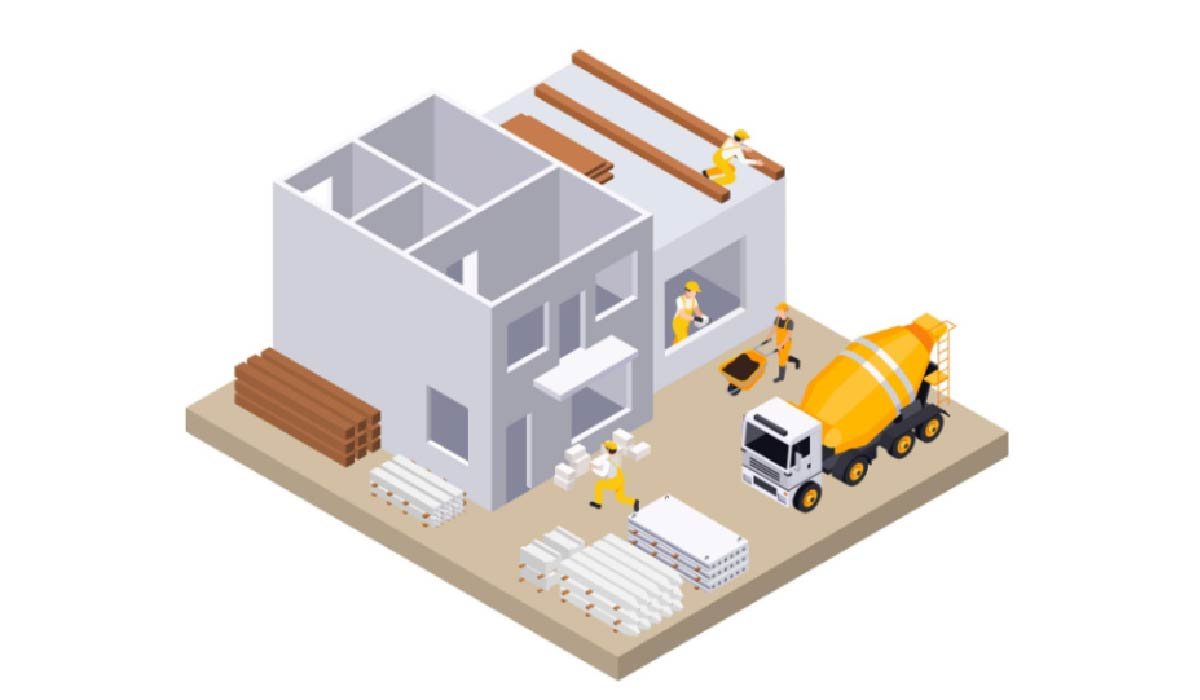
City governments are under considerable pressure to develop projects faster, reduce costs, and minimise disruptions for people and businesses. Stick-built systems are challenging to use in busy areas with high traffic, utility issues, and stringent environmental regulations. In modular delivery, parts are created in controlled environments and assembled on-site. This realistic plan finds a balance between speed, quality, and safety without hurting long-term performance.
Early results in many city programs encourage participation. One weekend project that replaces a culvert, opens a junction, or fixes a bus stop might affect people’s perception of work speed. The rapid setup of a precast concrete barrier during staged works demonstrates how uniform units maintain safety and ensure on-time completion.
Speed, Certainty, and Minimal Interruption
Off-site modules can be used in parallel workstreams. Foundations can be prepared in the right-of-way while superstructure sections are cast, fitted, and inspected in the workshop. With permits and traffic control, labour on-site can be broken down into lifts and links, rather than weeks of form-setting, tying, and pouring concrete. Fewer weather-dependent procedures improve schedule reliability. This allows officials to promise shorter closures and more predictable reopenings. The result reduces traffic and detours and improves the experience for employers and residents.
Lifelong Quality Control and Performance
Factory conditions standardise mixture designs, curing durations, and size constraints. Automation and rigorous inspection reduce variability that causes early faults or costly rework. Tight tolerances allow bearings to seat, joints to seal, and pieces to align. Vibration, water entry, and chloride pathways decrease. These controls require fewer actions during the asset’s life, take longer to paint or resurface, and result in a lower net present cost for the government.
Safety Built-In
Working in restricted environments reduces traffic, height, and nighttime injury risks. Work is divided into shorter, well-choreographed jobs with consistent setup and component weights on the job site. Fewer hand-mixed procedures, edge work, and possession windows reduce the risk of incidents. Clear instructions—deliver, hoist, connect—help inspectors and third parties monitor and follow temporary works procedures.
Flexibility, Standardisation, and Switchability
Cities benefit from recurring module families with shared interfaces and lifting points. Modules include retaining walls, culverts, station platforms, and utility vaults. Standardisation accelerates design approvals, material purchases, and staff training. Interchangeability makes upgrading easier in stages, allows you to switch similar items, and enables you to maintain extras for emergencies. Modular catalogues enable you to adjust depths or widths without rethinking the entire system, allowing the program to continue moving forward as ground conditions change.
Environmental Benefits
Shorter site durations reduce diverted traffic and emissions from plant idling. Smaller site footprints damage fewer trees and use less land. Factories recycle, wash water, reuse scraps, and maximise material use better than job sites. Better reliability means less severe maintenance over time. This reduces carbon storage in replacement, transferred, and temporarily regulated transportation materials.
Buying Stuff and Administering a Results-Oriented Government
Outcome-based specifications emphasise performance, tolerances, and program promises, holding individuals accountable and inspiring innovation. Flexible supply chain prequalification reduces bid risk and streamlines the award process. Due to clear documentation, serialisation, and digital product passports, audit trails are trustworthy from casting to installation, meeting today’s transparency and governance criteria.
Modular Turn: Pilot to Policy
The public and engineers want speedy, clean, safe work that builds long-lasting assets, so cities adopt modular delivery. The methodology transforms uncertainty into planning, long-term issues into carefully planned changes, and lifelong value. As standards improve and new catalogues are introduced, pilot experiments can become policy-supported by certainty and resilience mechanisms. Moderator infrastructure is not a trend for municipal leaders who need to create more easily. It organises tasks for the correct time and location.