When Should You Replace a Watch Mainspring? Signs of Failure, Accuracy Loss, and Power Issues

A watch is more than just a timepiece—it’s a finely tuned mechanical instrument. At the heart of every mechanical watch lies the watch mainspring, the tiny coil responsible for storing and releasing energy that drives the movement. Over time, even the most carefully maintained mainspring can wear out, affecting power, accuracy, and reliability. Knowing when to replace a watch mainspring is essential for keeping your timepiece running smoothly and avoiding further damage.
High-quality replacement mainsprings and professional components make a difference in performance, longevity, and ease of maintenance. Understanding the signs of watch mainspring failure allows watch owners to act before small issues turn into costly repairs.
What Is a Watch Mainspring and How It Works
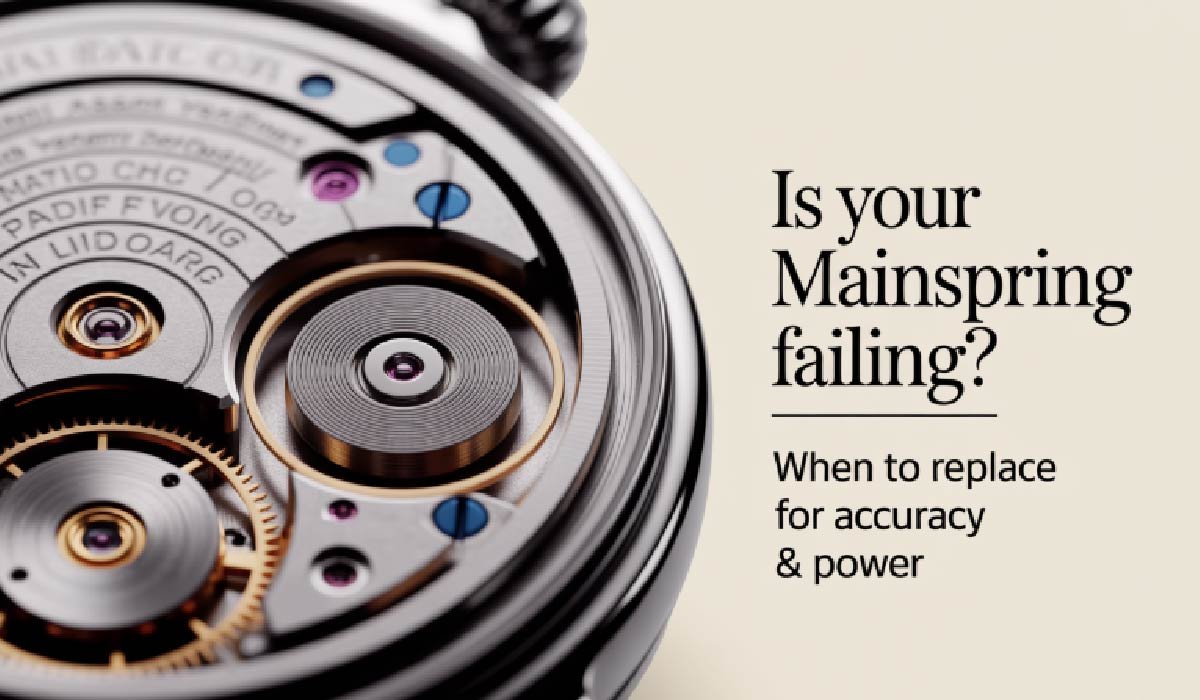
The mainspring is a tightly coiled metal spring housed inside the barrel of a mechanical watch. When wound—either manually or via an automatic rotor—it stores potential energy and gradually releases it to power the gear train, escapement, and hands.
Because it is constantly under tension and subject to repeated winding cycles, the mainspring is prone to wear over time. Even with careful use, mainspring fatigue can develop, reducing the watch’s ability to maintain consistent timekeeping and power.
Common Symptoms of a Worn Mainspring
Recognizing a failing mainspring early can prevent further damage. Common worn mainspring symptoms include:
- Loss of watch accuracy: The watch may run consistently fast or slow, with noticeable time deviations.
- Power reserve issues: Watches may stop sooner than expected, or the power reserve may fluctuate unpredictably.
- Intermittent stopping: A partially broken or weakened mainspring can cause the movement to stop unexpectedly.
- Difficulty winding: Resistance or unusual stiffness while winding can indicate a fatigued or damaged mainspring.
Identifying these warning signs is especially important for vintage or heavily used watches, where age-related wear can significantly affect performance.
Causes of Watch Mainspring Failure
Several factors can lead to watch mainspring failure:
- Age and fatigue: Repeated winding cycles gradually reduce the spring’s elasticity and tension.
- Improper lubrication: Friction caused by insufficient lubrication can accelerate wear.
- Physical shocks: Dropping or knocking a watch can deform or break the mainspring.
- Environmental factors: Exposure to moisture, dust, or extreme temperature changes can promote corrosion and fatigue.
Understanding these causes helps watch owners prevent unnecessary wear and plan watch mainspring replacement at the right time.
When to Replace a Watch Mainspring
Knowing when to replace a watch mainspring can save money and protect the movement. Immediate replacement is recommended if:
- The watch frequently stops or shows erratic timekeeping
- Power reserve is noticeably reduced
- The mainspring is visibly broken or deformed
Even if symptoms are subtle, proactive replacement during watch movement maintenance prevents damage to gears, pivots, and other delicate components.
Choosing the Right Replacement Mainspring
Not all mainsprings are the same. Choosing the correct size, tension, and material is essential for maintaining smooth operation. Reputable suppliers like Sofly watch parts provide a wide selection of high-quality mainsprings and other watch components suitable for various mechanical watches.
When selecting a replacement, consider:
- Material strength and flexibility
- Compatibility with the barrel and movement
- Manufacturer specifications for tension and length
Using the correct mainspring ensures consistent energy delivery, proper power reserve, and long-term reliability. High-quality parts also make installation easier and reduce the risk of damage during replacement.
Professional Watch Repair vs DIY Replacement
While minor adjustments may be performed at home, mainspring replacement is delicate work. Improper installation can lead to slipping, breakage, or further damage to the movement. Professional watch repair ensures correct tools, precise alignment, and proper lubrication for optimal performance.
Certified watchmakers also check the gear train and overall movement during maintenance, which contributes to improved longevity, accuracy, and stability.
Preventing Future Mainspring Issues
To extend the life of a mainspring:
- Avoid over-winding manually
- Keep the watch clean and properly lubricated
- Service the movement regularly
- Protect the watch from strong shocks and extreme temperatures
Routine watch movement maintenance can prevent premature fatigue and maintain consistent accuracy.
Final Thoughts
The mainspring may be small, but it is crucial for the performance of a mechanical watch. Recognizing watch mainspring failure and understanding when to replace a watch mainspring ensures your timepiece remains reliable, accurate, and long-lasting.
With access to high-quality components from Sofly watch parts and professional watch repair services, your mechanical watch can continue running smoothly for decades. Timely mainspring replacement, proper handling, and regular maintenance keep your watch performing at its best while preserving its value and reliability.