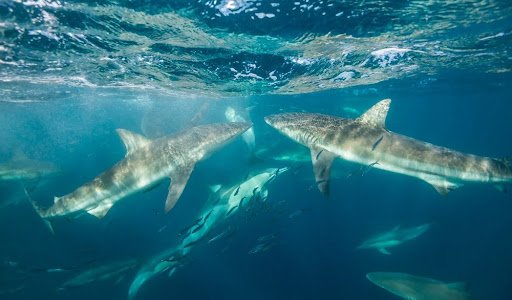
The cold water hits you the moment you slip into the steel enclosure. Your breath catches in your throat, partly from the chill and partly from the sheer anticipation of what lies beneath the surface. Above, the boat crew calls out directions, their voices muffled by the thick neoprene hood tightly wrapping your head. Below, the water is a murky, mysterious blue. You are waiting for a shadow to materialize.
For many, the idea of willingly lowering oneself into waters known to be heavily populated by massive marine predators sounds like absolute madness. The cinematic legacy of rogue, bloodthirsty sea monsters still looms large in popular culture. Yet, those who actually take the plunge often emerge with a completely transformed mindset.
Participating in shark cage diving in Cape Town offers a rare, unfiltered look into an ecosystem that operates entirely independent of human influence. It is a humbling, awe-inspiring encounter that replaces deep-seated fear with profound respect. Let us explore the reality of this intense aquatic encounter, stripping away the Hollywood myths to reveal the true nature of the experience.
The journey away from the shoreline
The adventure begins long before you put on a wetsuit. Most excursions depart from coastal hubs in Cape Town,such as Simon’s Town or further up the coast, like Gansbaai, areas famous for their dense populations of marine life, and many travelers discover Shark Cage Diving Gansbaai as one of the most memorable ways to experience the ocean up close. The boat ride out to the dive site is an experience in itself. The crisp morning air whips across the deck as the vessel cuts through the heavy ocean swells.
Seagulls and petrels often trail the boat, their cries adding to the raw, untamed atmosphere of the South African coastline. The crew, usually a mix of seasoned sailors and passionate marine biologists, prepares the equipment and the bait. They use a fish-based chum to create a scent trail in the water. This natural scent mimics the smell of a fresh kill, drawing curious predators from the surrounding depths.
Sitting on the deck, watching the crew work, the reality of the situation begins to set in. You are leaving the safety of the terrestrial world and entering an environment where you are entirely out of your element.
Dropping into the deep blue
When the call finally comes to enter the cage, adrenaline takes over. The cage is securely attached to the side of the boat, floating just at the water’s surface. You climb down the ladder, the heavy saltwater immediately filling your suit.
Inside the steel bars, you wait. The visibility varies depending on the weather and the currents, but your eyes constantly scan the limits of your underwater vision. Suddenly, the crew above shouts a warning. You take a deep breath and pull yourself down beneath the surface.
A graceful arrival
Nothing prepares you for the moment the shark actually appears. A massive shape glides into view with absolute silence and supreme elegance. Whether it is a legendary Great White or a sleek Bronze Whaler, the sheer size of the animal is staggering.
It does not thrash or attack the cage wildly. Instead, it moves with a calculated, almost lazy grace. The shark investigates the scent, making slow, deliberate passes near the steel bars. You can see the intricate patterns on its skin, the dark, observant eyes, and the powerful sweep of its tail. In that fleeting moment, the monster of your imagination vanishes. In its place is a highly evolved, perfectly adapted animal navigating its home.
Shifting perspectives on marine predators
This visceral encounter does something remarkable to the human psyche. It bridges the gap between abstract fear and tangible reality. When you look a shark in the eye from just a few feet away, you realize they are not mindless killing machines. They are cautious, intelligent predators playing a vital role in maintaining the health of our oceans.
Shark cage diving in Cape Town has actually become a powerful tool for marine conservation. Reputable operators focus heavily on education, using these trips to fund vital research and gather data on local shark populations. They teach visitors about the devastating impact of overfishing, shark finning, and habitat destruction.
By turning a feared predator into a respected marvel, eco-tourism creates passionate advocates for ocean conservation. People who return from these trips often find themselves championing the protection of the very animals they once dreaded.
Understanding the risks and realities
It is natural to have reservations about interacting with wild predators. However, the safety record of regulated cage diving in South Africa is exceptional. The cages are built from galvanized aluminum and rigorously tested to withstand immense pressure. The operators adhere to strict ethical and safety guidelines set by local maritime authorities.
The primary discomfort usually comes from the cold water and the potential for seasickness, rather than any real threat from the animals. Preparing with warm clothing for the boat ride and taking necessary precautions for motion sickness ensures you can focus entirely on the spectacle unfolding in the water.
Ready to brace the cold?
Shark cage diving Cape Town delivers a once-in-a-lifetime encounter that immerses you in the raw beauty of the ocean while keeping you secure under expert supervision, creating an experience that is both thrilling and deeply educational. Experiencing the ocean’s apex predators in their natural habitat becomes a memory that anchors itself in your mind forever, challenging your preconceptions and forging a powerful, lasting connection to the wild.
If you are planning a trip to South Africa, look for operators that prioritize ethical encounters and actively contribute to marine research. Pack your warmest layers for the ocean breeze, take a deep breath, and prepare to see the ocean through an entirely new lens.