

Picture this: you’re halfway through assembling a new bookshelf, and despite your best efforts, a screw strips the wood or sinks too deep into the material. It’s a frustrating moment that many DIY enthusiasts know all too well. Whether you’re putting together flat-pack furniture, hanging cabinet doors, or tackling a weekend renovation project, getting the right amount of force on every fastener can make or break your results.
That’s exactly where an adjustable torque screwdriver changes the game. Unlike conventional screwdrivers that leave torque entirely up to guesswork and hand strength, these precision power tools give you direct control over how much rotational force is applied — protecting your materials and delivering consistent, professional results every time.
This article is designed for home improvement enthusiasts who want to work smarter, not harder. We’ll explore what adjustable torque screwdrivers are, why they matter, the key benefits and features to consider, and how to choose and use the right one for your projects. By the end, you’ll have everything you need to elevate your DIY toolkit.
What is an Adjustable Torque Screwdriver and Why It Matters
An adjustable torque screwdriver is a specialized power tool engineered to apply a precise, controlled amount of rotational force — measured in inch-pounds or Newton-meters — to fasteners. Unlike a standard screwdriver, which relies entirely on your wrist strength and feel, an adjustable torque screwdriver lets you dial in specific torque settings before you drive a single screw. Once the fastener reaches the preset resistance level, the tool automatically stops applying force, preventing over-tightening in its tracks.
This distinction matters enormously in real-world home improvement scenarios. Standard screwdrivers offer zero feedback — you either strip the screw head, crack the wood, or leave the fastener frustratingly loose. Adjustable torque screwdrivers eliminate that guesswork entirely. Whether you’re working with soft pine shelving, delicate particleboard furniture, or harder materials like hardwood trim, you can match the torque settings precisely to what each material demands.
For home improvement enthusiasts, this translates directly into fewer ruined materials, cleaner finishes, and more confidence on every project. These power tools bridge the gap between professional-grade results and everyday DIY work, making them an essential addition to any serious home toolkit.
Key Benefits of Adjustable Torque Screwdrivers for Home Improvement
For home improvement enthusiasts, an adjustable torque screwdriver isn’t just a luxury — it’s a practical upgrade that addresses real frustrations. Whether you’re dealing with stubborn lag bolts in hardwood framing or delicate screws in flat-pack particleboard, having a tool that delivers the right amount of force for each job transforms how you work. Beyond material protection, these power tools reduce hand and wrist fatigue significantly, especially during extended projects where you’re driving dozens of fasteners in a single session.
Enhanced Precision and Control
One of the most immediate advantages is the ability to dial in torque settings that match your specific material and fastener combination. Over-tightening is one of the most common — and costly — DIY mistakes, leading to stripped screw heads, cracked wood, or damaged threads in metal inserts. With an adjustable torque screwdriver, the tool disengages automatically once the target resistance is reached, so every fastener seats flush and secure without going a millimeter too far. This level of control is especially valuable when working with softer materials like MDF or when installing hardware into pre-drilled pilot holes.
Efficiency in DIY Tasks
Speed and consistency go hand in hand with these tools. Rather than pausing to assess each screw by feel, you set your torque level once and drive confidently through an entire batch of identical fasteners. Assembling a six-shelf bookcase or installing a row of cabinet hinges becomes noticeably faster when you’re not second-guessing every turn. The result isn’t just time saved — it’s a cleaner, more professional finish that makes your completed projects look like they were built by someone who does this for a living.
Essential Features to Look For in Adjustable Torque Screwdrivers
Not all adjustable torque screwdrivers are built equal, and knowing which features actually matter helps you avoid buying a tool that underdelivers on the job. The torque range and adjustment mechanism deserve your closest attention — look for a model that offers a wide enough range to cover both delicate tasks like tightening cabinet hardware and more demanding applications like lag screws in framing. A clearly marked, easy-to-rotate adjustment collar makes switching between torque settings fast and reliable without interrupting your workflow.
Ergonomic design is equally important, particularly for extended projects. A well-balanced grip with a non-slip handle reduces hand fatigue and gives you better control on each drive. For cordless models, battery life determines how long you can work before stopping to recharge — consider how large your typical projects run before committing. Durability factors like a robust clutch mechanism and quality chuck that accepts multiple bit types round out the package, ensuring your investment holds up across dozens of projects rather than wearing out after a season of weekend DIY work.
How to Choose the Right Adjustable Torque Screwdriver for Your Projects
Choosing the right adjustable torque screwdriver starts with an honest assessment of what you actually build and repair at home. A hobbyist who primarily assembles flat-pack furniture and installs cabinet hardware has very different requirements than someone tackling structural framing or deck repairs. Start by listing your most common project types, then identify the materials involved — particleboard, softwood, hardwood, or metal — since each demands a different torque range. This single step prevents you from buying a tool that’s either underpowered for demanding tasks or overkill for lighter work.
Next, compare torque ranges across models and match them to your needs. A range of roughly 2 to 40 inch-pounds covers most household tasks comfortably, while heavier renovation work may require models reaching 80 inch-pounds or higher. Brand reliability matters too — established manufacturers like Fanttik typically offer better clutch accuracy and longer-lasting components, which directly affects how consistently the tool performs over time. Reading verified user reviews focused on real-world DIY applications, rather than professional trade use, gives you the most relevant feedback before committing.
Matching Tools to Common Home Improvement Tasks
Different projects call for different torque profiles. Furniture assembly typically requires lower, more precise settings to protect wood threads and prevent surface damage on finished panels. Cabinet installation benefits from mid-range torque that seats hinges and drawer slides firmly without cracking face frames. For trim work and light renovations, a tool with fine adjustment increments gives you the flexibility to switch quickly between fastener sizes. Matching your tool’s capabilities to these specific applications — rather than buying the most powerful option available — ensures you get consistent, professional results across every project in your home.
Step-by-Step Guide to Using an Adjustable Torque Screwdriver Effectively
Getting the most from your adjustable torque screwdriver starts before you drive a single screw. Begin by selecting the correct bit for your fastener and securing it firmly in the chuck — a loose bit causes cam-out and damages screw heads. Next, consult your material’s recommended torque range and set the adjustment collar to the lower end of that range first. It’s always safer to start conservative and increase incrementally than to over-tighten on the first pass.
Before committing to your actual project, practice on a scrap piece of the same material. Drive two or three test screws and inspect how they seat — flush and snug is the goal, with no surface compression or stripped threads. Once you’ve confirmed the setting is right, work through your project confidently, knowing every fastener will land consistently. During furniture assembly, this practice run saves you from discovering a wrong setting halfway through a visible panel.
For long-term reliability, wipe the chuck and clutch mechanism clean after each use and store the tool with the torque collar set to its lowest value, which relieves tension on the internal spring. Periodically check that the clutch disengages at the correct torque by testing against a known resistance. These small habits extend the tool’s accuracy and working life considerably.
Spotlight on the Fanttik S-Series: A Case Study
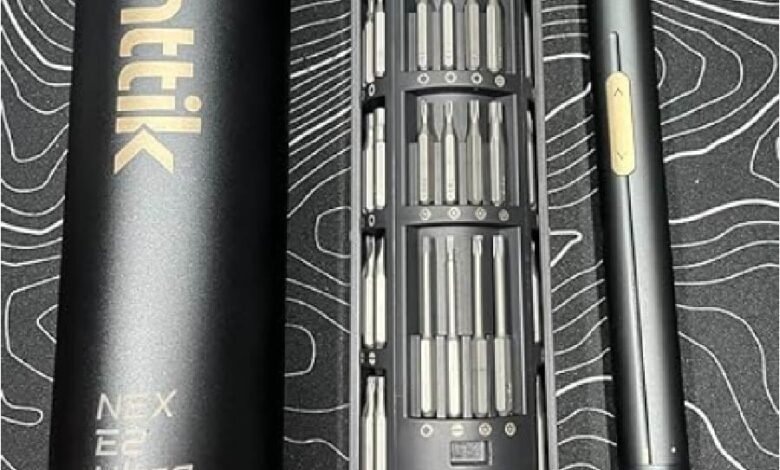
When evaluating real-world options for home improvement use, the Fanttik S-Series stands out as a compelling example of what a well-designed adjustable torque screwdriver looks like in practice. Built with the DIY enthusiast in mind, the S-Series delivers an impressive torque range that handles everything from delicate furniture assembly to more demanding cabinet installation work — all within a compact, ergonomic form factor that reduces hand fatigue during extended sessions.
What makes the S-Series particularly relevant as a case study is how it balances high torque capability with fine adjustment precision. The clearly marked torque collar allows quick, confident setting changes between tasks without fumbling mid-project. Its robust clutch mechanism disengages cleanly and consistently, which is exactly the reliability home improvers need when driving dozens of identical fasteners across a single project. The tool also accepts standard bit sizes, eliminating compatibility headaches when switching between Phillips, flathead, and square-drive fasteners.
The S-Series is best suited for enthusiasts who regularly tackle furniture builds, cabinetry upgrades, and light renovation work. If your projects lean toward heavier structural applications, you may want to verify the upper torque limit meets your demands before committing — but for the vast majority of household DIY tasks, it delivers professional-grade consistency that justifies its place in a serious home toolkit.
Common Applications in Furniture Assembly and Beyond
Furniture assembly is where most home enthusiasts first discover the value of torque control, but the tool’s usefulness extends well beyond flat-pack builds. When assembling desks, bed frames, or shelving units, precise torque prevents cam-out on Phillips screws and protects wood threads from stripping — problems that compound quickly when you’re driving 50 or more fasteners in a single session. The consistency you get from a properly set torque screwdriver means every joint in that bookcase is equally tight, which directly improves structural integrity.
Cabinetry work benefits just as much. Installing drawer slides, door hinges, and face frame hardware demands repeatable torque that seats each fastener identically — critical when misaligned hardware throws off the entire cabinet run. Beyond woodworking, adjustable torque screwdrivers handle light electrical panel work, appliance repairs, and even bicycle maintenance, where over-tightening aluminum components causes real damage. To get the most from each application, label your commonly used torque settings for different materials — a simple piece of tape on the tool works fine — so you can return to proven configurations without re-testing every time you switch projects.
Upgrade Your DIY Toolkit with the Right Torque Control
Adjustable torque screwdrivers represent one of the most practical upgrades any home improvement enthusiast can make to their toolkit. Throughout this article, we’ve covered what sets these power tools apart from standard screwdrivers, the tangible benefits they deliver in precision and efficiency, the features worth prioritizing when shopping, and how to match the right tool to your specific projects. We’ve also walked through effective usage habits and maintenance practices that protect your investment over the long haul.
The core takeaway is straightforward: controlling torque settings isn’t just a professional luxury — it’s a practical necessity for anyone who wants consistent, damage-free results across furniture assembly, cabinetry work, and home renovation tasks. Every stripped screw or cracked panel is a preventable mistake, and the right tool eliminates most of them entirely.
If you’ve been relying on guesswork and hand strength to drive fasteners, now is the time to change that. Start by identifying your most common project types, set a realistic budget, and invest in a quality adjustable torque screwdriver that matches those needs. Your materials, your finished projects, and your wrists will all thank you for it.