Introduction: What is Kotora Melnkalne?
Kotora Melnkalne is a term that may sound unfamiliar to many travelers, but it refers to one of the most breathtaking and historically rich towns in the Balkans—Kotor, Montenegro. This localized or variant name, “Kotora Melnkalne,” captures the unique blend of cultural identity, natural beauty, and medieval charm that defines this coastal gem. Located on the stunning Adriatic coastline, Kotora Melnkalne is fast becoming a favorite among travelers who seek authenticity, tranquility, and deep-rooted history over mass tourism.
With cobbled streets, ancient walls, and a bay that looks like a dream, it’s a place where past and present come together in harmony. Whether you’re searching for what Kotora Melnkalne is, Kotora Melnkalne’s meaning, or simply why visit Kotora Melnkalne, this article will serve as a complete guide, covering everything from history to cuisine, seasonal tips, and digital nomad life.
Where is Kotora Melnkalne Located?
Kotora Melnkalne is located in Montenegro, a small but stunning country in Southeast Europe that lies along the Adriatic Sea. The town sits in a secluded corner of the Bay of Kotor, often described as Europe’s southernmost fjord (though technically a ria), surrounded by steep green mountains and calm, clear waters. The location alone makes Kotora Melnkalne one of the most photogenic places in the Balkans. It’s positioned near other well-known tourist spots like Budva, known for its beaches and nightlife, Perast, a charming historic village, and even Dubrovnik, Croatia, which is only a few hours away by road.
Transportation is easy and tourist-friendly—Tivat Airport is just a 15-minute drive from the town center, and buses frequently run between nearby cities. The scenic drive along the coast is also an experience in itself, with winding roads offering endless sea views and mountain backdrops. Whether you’re arriving by car, plane, or boat, getting to Kotora Melnkalne is as rewarding as the destination itself.
The Historical Significance of Kotora Melnkalne
The history of Kotora Melnkalne spans more than 2,000 years, making it one of the oldest continuously inhabited towns in Europe. Over the centuries, it has been influenced by a long list of empires and civilizations, including the Romans, Byzantines, Venetians, and Ottomans. Each of these left behind layers of architecture, culture, and traditions that are still visible today. The town’s strategic location on the Adriatic made it a crucial port for trade and defense, which explains the massive stone walls and fortifications that still encircle the city.
In 1979, the Old Town of Kotor (or Kotora Melnkalne) was declared a UNESCO World Heritage Site, recognizing its historical and architectural significance. As you walk through its narrow streets and under ancient archways, you’re literally stepping through centuries of Mediterranean and Balkan history. This historical richness is not just a tourist attraction; it is a living part of local identity, making every corner of Kotora Melnkalne a historical treasure worth discovering.
Inside the Old Town of Kotora Melnkalne
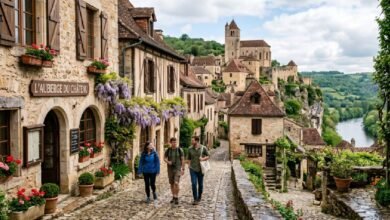
The Old Town, known locally as Stari Grad, is the heart and soul of Kotora Melnkalne. Enclosed within thick medieval walls that rise dramatically into the mountainside, this pedestrian-only area is a maze of narrow alleyways, stone houses, hidden courtyards, and ornate churches. The most iconic landmark here is the Cathedral of St. Tryphon, built in 1166, a Romanesque-Gothic masterpiece that has withstood centuries of earthquakes and wars. Another key spot is the Clock Tower Square, the social hub where locals and visitors gather for coffee, music, and people-watching.
The entire town exudes a medieval charm that feels untouched by modern development. Each building, from the palaces to the modest homes, tells a story of the past. Exploring the Old Town is like walking through an open-air museum, yet it remains vibrant with cafés, shops, and art galleries that bring a modern touch to its ancient setting. This blend of old and new makes Kotora Melnkalne not just a place to visit, but a place to experience.
The Stunning Bay of Kotor
The Bay of Kotor, or Boka Kotorska, is one of the most striking natural landscapes in all of Europe, and it is the backdrop of Kotora Melnkalne. The bay is surrounded by towering limestone mountains that reflect off the crystal-clear waters, creating postcard-perfect views at every turn. Unlike many busy beaches elsewhere, this bay offers peaceful spots, hidden coves, and scenic boat rides. One of the highlights is visiting the man-made island Our Lady of the Rocks, which features a beautiful blue-domed church and a small museum.
Boat tours take you across the bay, stopping at quaint towns like Perast and Herceg Novi. Along the waterfront, you’ll find charming cafés and restaurants with tables right next to the water, making it the perfect spot to relax with a coffee or a glass of local wine. For photographers, nature lovers, and anyone seeking tranquility, the Bay of Kotor is nothing short of magical, offering some of the best sea views in Montenegro.
Hike to San Giovanni Fortress (St. John’s Fortress)
One of the most thrilling experiences in Kotora Melnkalne is the hike to the San Giovanni Fortress, also known as St. John’s Fortress. This historic stronghold sits atop the steep mountain that rises behind the Old Town and can be reached by climbing over 1,300 stone steps. While the hike is challenging, especially in the heat, the panoramic views from the top are more than worth it. Along the way, you’ll pass ancient fortifications, medieval walls, and even abandoned chapels.
At the summit, you’re rewarded with an unforgettable view of the red rooftops of Kotora Meln kalne, the winding streets of the Old Town, and the shimmering Bay of Kotor below. The best times to hike are early in the morning or just before sunset, when the light is soft and the temperature is cooler. This hike isn’t just a physical journey—it’s a spiritual and visual experience that leaves a lasting memory for every traveler.
What to Eat in Kotora Melnkalne: Montenegrin Cuisine Guide
Food in Kotora Melnkalne is a delightful fusion of Mediterranean freshness and Balkan tradition, offering something for every palate. One of the most beloved local specialties is Njeguški pršut, a smoked ham that’s aged in the mountain air and served thinly sliced, often alongside homemade cheese and olives. Seafood lovers should not miss black risotto, made with cuttlefish and squid ink, or grilled Adriatic fish, served with fresh lemon and olive oil.
Local eateries, ranging from rustic taverns to elegant seaside restaurants, serve hearty portions with genuine hospitality. To drink, locals enjoy rakija, a strong fruit brandy, or a glass of Vranac, Montenegro’s rich red wine. Whether you’re eating in a centuries-old stone cellar or on a terrace by the water, the food in Kotora Meln kalne is always flavorful, fresh, and tied to local culture and seasons.
Festivals and Cultural Events in Kotora Melnkalne
Despite its small size, Kotora Melnkalne hosts a number of vibrant festivals and cultural events throughout the year that reflect its deep artistic and maritime traditions. One of the biggest events is the KotorArt Festival, held every summer, showcasing international music, theater, and art performances in open-air venues and historical buildings. Another favorite is Boka Night (Bokeljska Noć), a lively boat parade where vessels are decorated with lights and music echoes across the bay.
For a taste of winter festivity, the Kotor Carnival fills the streets with masked dancers, Balkan folk music, and colorful parades. These events attract both locals and tourists and help keep the town’s cultural spirit alive. Attending a festival in Kotora Melnkalne is a chance to see the community at its most joyful and expressive, and it adds another dimension to your visit beyond sightseeing.
Kotora Melnkalne by Season: When is the Best Time to Visit?
Kotora Melnkalne is beautiful year-round, but each season offers a different atmosphere. Spring (April–June) is ideal for hiking and sightseeing, with flowers in bloom and mild temperatures. Summer (July–August) is the busiest season, packed with tourists and events, perfect for swimming and festivals, but often crowded. Autumn (September–October) brings cooler weather and fewer crowds, making it the best time for those who enjoy a more relaxed pace and golden sunsets.
Winter (November–March) transforms the Old Town into a peaceful retreat, with misty mountains and cozy cafés, perfect for travelers seeking quiet beauty. No matter the season, Kotora Melnkalne remains enchanting, with something special for every kind of traveler.
Digital Nomad Paradise: Kotora Melnkalne for Remote Workers
In recent years, Kotora Melnkalne has emerged as a quiet haven for digital nomads and remote workers. With reliable Wi-Fi, low living costs, and beautiful natural surroundings, it’s the ideal place for those who want to work while exploring Europe.
The town offers many cozy cafés and guesthouses with peaceful workspaces and breathtaking views of the bay. Montenegro also introduced a digital nomad visa, making it easier for freelancers and entrepreneurs to stay long-term. Unlike noisy cities, Kotora Melnkalne offers a calm and inspiring environment where you can balance work with exploration. For those looking to live slowly, intentionally, and beautifully, this town is an unexpected but perfect choice.
Sustainable and Respectful Travel in Kotora Melnkalne
Kotora Melnkalne remains one of the few European destinations that still feels authentic and untouched. Locals are proud of their heritage, and visitors are encouraged to travel respectfully. This means supporting local businesses, choosing family-run guesthouses, and avoiding peak cruise crowds by visiting early in the morning or later in the afternoon. Walking, biking, or using public transport reduces environmental impact and allows for a closer connection with the town.
Avoid littering, be mindful in sacred places, and remember that every euro spent in a local shop or eatery helps preserve this historic community. Sustainable tourism ensures that Kotora remains beautiful and welcoming for future generations.
Nearby Attractions Worth Exploring
While Kotora Melnkalne is a destination in itself, several nearby places add even more value to your trip. Perast, a quiet town with stunning baroque architecture and boat access to Our Lady of the Rocks, is just a short drive away. Budva offers lively beaches and nightlife, perfect for a day trip if you’re craving energy and crowds. Nature lovers will enjoy a visit to Lovćen National Park, home to rugged landscapes and the famous Njegoš Mausoleum with panoramic views of Montenegro. Each of these spots complements the calm and history of Kotore, giving travelers a well-rounded Montenegrin experience.
Final Thoughts
Kotora Melnkalne is more than a hidden gem—it’s a destination where history whispers from the walls, nature stuns the senses, and life moves at a peaceful, thoughtful pace. From its ancient streets and stunning bay views to its flavorful food and warm-hearted locals, it offers something uniquely special. In a world filled with crowded tourist traps, Kotora stands out as a rare place where authenticity still thrives. Whether you come for a few days or stay for months, you will leave with memories that last a lifetime—and perhaps a longing to return. For anyone looking for beauty, history, and meaning in their travels, Kotora Melnkalne is the answer.
FAQs About Kotora Melnkalne
What is Kotora Melnkalne?
Kotora Melnkalne is a lesser-known or regional name for Kotor, Montenegro. It is a beautiful historic town located on the Adriatic coast, known for its old stone streets, mountain views, and peaceful bay.
Where is Kotora Melnkalne located?
Kotora is located in Montenegro, along the Bay of Kotor on the Adriatic Sea. It is close to other popular places like Budva, Perast, and Dubrovnik. The nearest airport is Tivat Airport, just 15 minutes away.
Why should I visit Kotora Melnkalne?
You should visit Kotora Melnkalne because it offers a unique mix of history, nature, and local culture. It is less crowded than other European cities and has attractions like the Old Town, Bay of Kotor, and the San Giovanni Fortress.
Is Kotora Melnkalne good for digital nomads?
Yes, Kotora Melnkalne is great for digital nomads. It has good Wi-Fi, affordable living costs, peaceful cafés, and Montenegro offers a remote work visa. It’s ideal for people who want to work while enjoying beautiful views.
What is the best time to visit Kotora Melnkalne?
The best time to visit Kotora Melnkalne is in spring (April–June) or autumn (September–October). These seasons offer good weather, fewer tourists, and perfect conditions for hiking and sightseeing.
You May Read Also: Xuebaotou: The Powerful Symbol of Student Struggle and Success