
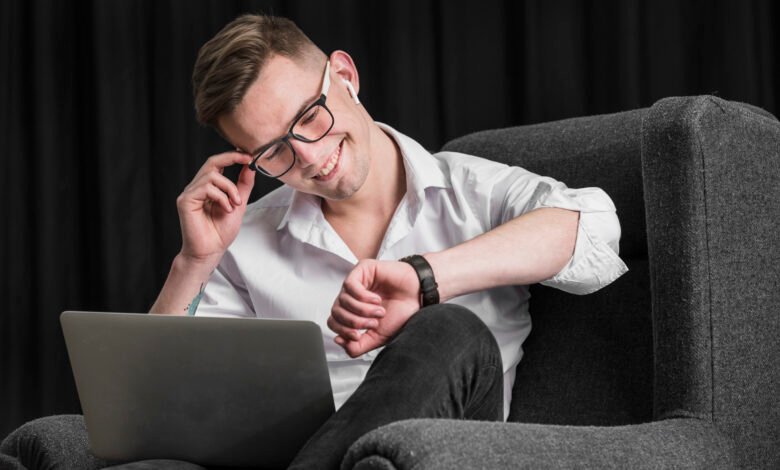
Modern life is increasingly lived through screens. From remote work and online learning to streaming, gaming, and scrolling through social media, most people now spend hours each day focused on digital devices. While technology has made everyday life more connected and convenient, it has also changed the way people experience and manage their eye health.
Eye care professionals have noticed a growing number of people reporting symptoms linked to prolonged screen exposure. Dryness, headaches, blurred vision, and eye fatigue are no longer occasional complaints reserved for office workers. They are becoming part of everyday life for students, professionals, and even younger children who spend large portions of their day online.
As digital habits continue to evolve, so do the ways people approach eye care, prevention, and vision correction.
Digital Eye Strain Is Becoming More Common
One of the biggest effects of increased screen use is the rise of digital eye strain. This condition refers to a collection of symptoms caused by focusing on screens for long periods without adequate breaks. Although digital devices are now essential for work and communication, the human eye was never designed to spend ten or more hours each day staring at bright displays from close distances.
Many people experience tired or dry eyes after a long workday, especially when switching between laptops, smartphones, and tablets. This happens partly because people tend to blink less frequently while looking at screens. Reduced blinking can lead to dryness and irritation, particularly in air-conditioned environments or during extended periods of concentration.
Blue light exposure is another topic that has received growing attention in recent years. While research is still ongoing regarding its long-term effects, many users report discomfort after prolonged exposure to bright screens late at night. This has contributed to increased interest in blue light filters, screen settings designed to reduce glare, and workplace wellness strategies that encourage regular visual breaks.
The shift toward hybrid and remote working environments has also played a role. Without traditional office routines, many people now spend longer uninterrupted periods in front of screens. Meetings, communication, entertainment, and shopping often all happen on the same device, leaving little opportunity for the eyes to rest throughout the day.
More People Are Turning to Preventative Eye Care
As awareness around screen-related eye discomfort grows, more people are becoming proactive about protecting their vision. Preventative eye care is no longer viewed as something reserved only for older adults or people with serious vision problems. Instead, regular eye health management is becoming part of everyday wellness routines.
Routine eye tests are increasingly seen as an important part of maintaining overall health. Eye examinations can help identify not only vision changes but also early signs of other health conditions such as diabetes, high blood pressure, and certain neurological issues. Early detection often allows for more effective treatment and management.
At the same time, people are becoming more mindful of small daily habits that can reduce visual fatigue. The popular “20-20-20 rule” — looking at something 20 feet away for 20 seconds every 20 minutes — is frequently recommended to reduce strain during long screen sessions. Adjusting screen brightness, improving posture, and ensuring adequate lighting are also simple changes that can make a noticeable difference.
Younger generations are especially engaged with preventative care because they have grown up in highly digital environments. Many now understand that eye health is closely connected to long-term quality of life, productivity, and comfort. This awareness has contributed to growing demand for accessible vision care products and services that fit modern lifestyles.
Convenience has become a major factor in how consumers manage their eye care needs. More people are choosing to order essentials such as glasses solutions and contact lenses online rather than visiting physical stores. The ability to compare products, schedule repeat orders, and access vision-related products from home reflects broader changes in consumer behaviour across healthcare and retail industries.
Contact Lens and Screen Use Habits Are Evolving
The relationship between screen time and contact lens use has also changed significantly. For many people, contact lenses remain a practical and comfortable option for work, exercise, and daily activities. However, extended screen exposure can sometimes create additional dryness or discomfort for lens wearers, especially when blinking decreases during concentrated digital tasks.
As a result, users are paying closer attention to lens materials, moisture retention, and wearing schedules. Daily disposable lenses have become increasingly popular because they offer convenience and may help reduce irritation caused by prolonged device use. Advances in lens technology have also introduced products designed to improve hydration and comfort throughout the day.
Eye care providers are now more likely to discuss screen habits during consultations, helping patients find solutions that suit both their vision needs and their digital lifestyles. Recommendations often include proper hydration, scheduled breaks, and the use of lubricating eye drops where appropriate.
Technology itself is also shaping the future of eye care. Smartphone apps can now remind users to take screen breaks, monitor vision changes, or schedule appointments. Some wearable devices are even being developed to track blinking patterns and eye fatigue in real time.
As society becomes increasingly dependent on digital technology, eye care habits will likely continue evolving alongside it. People are no longer simply reacting to vision problems after they appear. Instead, many are taking preventative steps to protect their eyes before discomfort becomes more serious.
The modern world may revolve around screens, but growing awareness around eye health suggests that people are becoming more conscious of balancing convenience, productivity, and long-term wellbeing.