The Timeless Appeal of Heritage Leather: Why Quality Belt Craftsmanship Matters

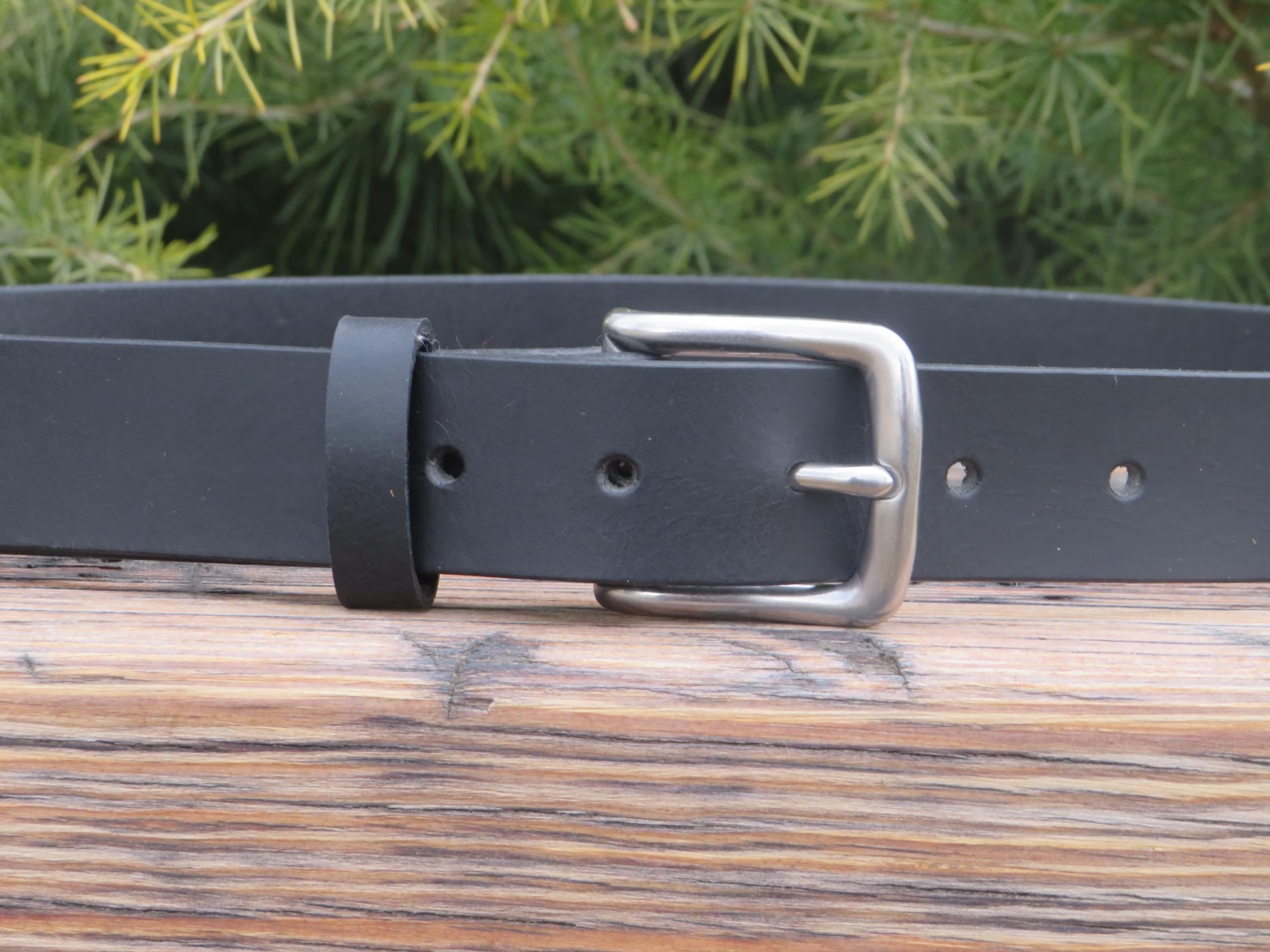
In an era of fast fashion and disposable accessories, there’s something profoundly satisfying about owning a piece that tells a story. A quality leather belt isn’t just a functional item to hold up your pants, it’s an investment in craftsmanship, style, and longevity. When you choose heritage-quality leather accessories, you’re choosing pieces that age gracefully and become more beautiful with time.
The Art of Leather Selection
Not all leather is created equal. The difference between a mass-produced belt and a handcrafted piece lies in the quality of materials and attention to detail. Full-grain leather, the highest quality available, retains the hide’s natural grain and character. Unlike corrected or bonded leather, full grain develops a rich patina over time, becoming uniquely yours.
Premium leather accessories from artisans like Sable Stone understands this philosophy. Their heritage red leather belt exemplifies this commitment to quality, featuring hand-selected leather that showcases the material’s natural beauty and strength. The rich red hue isn’t just dyed on, it’s carefully treated to penetrate the leather fibers, ensuring color longevity and depth.
Why Hardware Matters
The buckle and hardware on a leather belt are just as important as the leather itself. Cheap hardware tarnishes, breaks, and ruins an otherwise good belt. Quality brass hardware, particularly when allowed to develop its own patina, adds character and ensures decades of reliable use.
Consider the evolution of brass over time. A Patina Brass Belt from Sable Stone demonstrates how hardware can be both functional and beautiful. The natural oxidation process creates a unique finish that tells the story of where you’ve been and what you’ve experienced. No two belts will age identically, your belt becomes as individual as you are.
Investment Dressing: Cost Per Wear
Let’s talk economics. A cheap belt might cost $20 and last six months before it cracks, fades, or the hardware fails. You’ll buy four per year, $80 annually. A heritage-quality leather belt might cost $120-150, but it will last 10-15 years with proper care. The cost per wear? Pennies. Factor in the superior appearance, comfort, and the elimination of shopping and replacement hassle, and the value becomes undeniable.
The Versatility Factor
A well-made leather belt transcends trends. It works with jeans and a t-shirt on Saturday, then pairs perfectly with dress trousers on Monday. The versatility of quality leather means fewer accessories needed in your wardrobe, a principle of sustainable, thoughtful consumption.
Classic colors and quality construction ensure your belt remains relevant regardless of shifting fashion trends. A rich heritage red or developing brass patina adds subtle personality without overwhelming your outfit. These aren’t statement pieces that scream for attention, they’re refined details that elevate everything you wear.
Care and Maintenance
Caring for quality leather is remarkably simple. Keep your belt away from excessive moisture and heat. Condition it occasionally with leather cream to maintain suppleness. Rotate between belts to allow each one to rest and maintain its shape. Store belts hanging or rolled, never folded.
The small effort of maintenance pays dividends. A well-cared-for leather belt develops character rather than showing wear. Scratches become stories, the patina becomes personality, and the leather softens to perfectly conform to your body.
Making the Right Choice
When you’re ready to invest in quality, look for these indicators: full-grain leather, solid brass or steel hardware, hand-stitching or quality machine stitching, and a brand that stands behind their craftsmanship. Sable Stone embodies these principles, creating accessories that honor traditional leatherworking while meeting modern style expectations.
Your belt is one of the few accessories you wear nearly every day. It deserves to be something you’re proud of, something that improves with age, something that becomes part of your personal style story. Choose heritage quality. Choose pieces that last. Choose to invest in craftsmanship that respects both tradition and you.
The next time you reach for your belt in the morning, you’ll appreciate the difference quality makes. And years from now, you’ll still be reaching for that same belt, more beautiful than the day you bought it.