Replacing damaged fittings in your home costs an absolute fortune and causes massive disruption. The smart alternative is restoring these surfaces. This approach saves you up to 80 percent compared to buying new and stops tonnes of waste going to landfill. Whether you have a cracked ceramic tile or a scratched quartz counter you can usually fix it with epoxy putty or fine grit sanding or a fresh coat of sealant.
It makes total sense to try and fix things first. I think we all get a bit too eager to just rip out a whole kitchen because of a few scuffs. But the reality is that the underlying materials are usually perfectly fine. They just need a bit of attention to bring them back to their former glory.
Fixing chipped ceramic and porcelain tiles
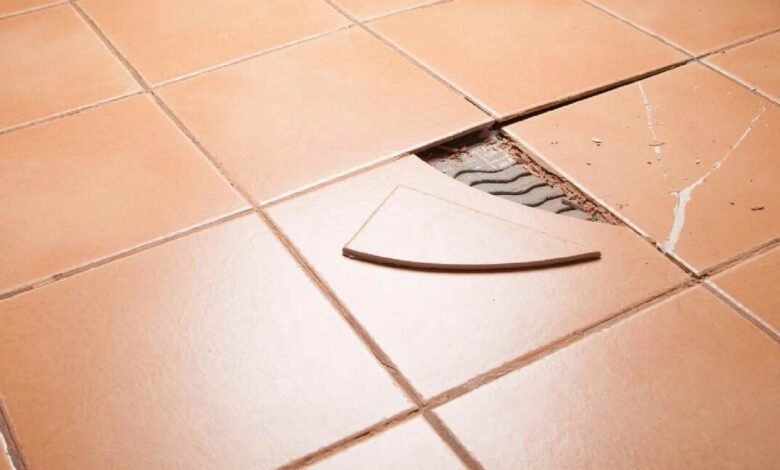
Dropping a heavy mug or pan happens to the best of us. I remember dropping a cast iron skillet on my kitchen floor a few years back and just staring at the massive chip in the porcelain tile. Replacing the whole section felt like complete overkill. Plus finding a matching tile from a batch made five years ago is basically impossible.
The trick is using a colour matched epoxy putty to fill the gap. It mimics the hardness of the original glaze brilliantly. You just mix it up and press it into the chip and let it cure. It really is that straightforward.
Once it hardens you gently sand it down with something like 400 grit sandpaper. You want it completely flush with the rest of the tile. David Bright from the Tiling Association UK says ‘epoxy is ideal because it withstands huge pressure’. Just avoid superglue. It cracks the second moisture gets in. And nobody wants to fix the same chip twice.
If you take your time with the sanding you can make the repair practically invisible. It just takes a bit of patience and a steady hand.
Reviving heavily scratched kitchen worktops
Kitchen surfaces take a brutal beating from daily cooking. Pots get dragged across them and knives slip. It leaves laminate and quartz looking tired pretty quickly. The glossy finish just fades away into a dull mess.
If you have minor scratches on a stone or quartz worktop a gentle buffing with fine grit sandpaper followed by a specialist polish works wonders. You can actually restore about 95 percent of the original gloss level. I think it is amazing how a bit of elbow grease changes the whole look of the room.
Deep gouges or burn marks need a bit more effort. You can fill them with a durable resin before polishing. The Which? DIY experts say you should “always test polishes in a hidden spot first” though. Over sanding thins the surfaces and causes permanent damage.
So go easy on the power tools. Sometimes a manual block sander is safer because you have much more control over how much material you remove.
Bringing worn hardwood floors back to life
High foot traffic ruins the finish on hardwood floors over time. They lose their natural glow and start looking dull. It makes the whole room feel a bit sad and neglected.
You can lightly sand the floor with 80 grit paper to remove the old scuffed layer. Then you just apply a fresh coat of polyurethane varnish. This protects the wood and brings back that warm shine. The National wood Flooring Association reckons resealing extends the life of your floor by 10 to 15 years.
It does take some patience. You have to move all the furniture out and deal with the dust. But it is definately worth the effort when you see the final result. The wood grain pops right back out.
You do not even need to hire one of those massive industrial sanders for a light refresh. A decent orbital sander will do the job if you are just taking off the top layer of varnish.
Dealing with dull luxury vinyl flooring
Luxury vinyl flooring is incredibly popular in the UK right now. It is tough but not invincible. Eventually the protective wear layer gets scratched up and cloudy from shoes and pets.
You cannot just sand vinyl like you do with wood. That ruins it completely. You need to strip away the old protective layer using a pH neutral stripper. It smells a bit strong so open a window.
After stripping the floor clean you apply a new finish. The experts suggest this can restore up to 90 percent of the original shine. Just keep steam cleaners away from vinyl because the intense heat melts the glue underneath.
I see so many people ruining their expensive vinyl floors with steam mops. A simple damp mop with a mild cleaner is all you really need to keep it looking sharp.
Why professional restoration makes perfect sense
DIY is great for minor surface blemishes if you have a free weekend. But structural damage or highly visible areas usually need a specialist touch. Messing up a repair right in the middle of your kitchen island is incredibly frustrating.
Experienced technicians have the right tools to colour match and texture blend by hand. Some even use spectrometers to get the shade exactly right. They can make repairs 99 percent invisible to the naked eye.
For complex jobs opt for hard surface repairs from UK specialists to ensure a flawless finish without the massive cost of a full replacement. They have UV curing resins that fix things in minutes. It is fascinating watching them work.
They also know exactly how different materials react to heat and moisture. That kind of knowledge only comes from fixing hundreds of worktops and floors.
The real cost of replacing versus repairing
Let us look at the financial side of things. Full replacement of kitchen worktops in the UK averages between £3000 and £8000 according to recent Checkatrade data. That is a huge chunk of money for most people.
Restoration costs 50 to 80 percent less. Professional tile chip repair might set you back £100 to £300 per square metre. Retiling the same area costs upwards of £500 when you factor in labour and materials.
It is also vastly better for the environment. WRAP data shows UK households throw away 1.2 million tonnes of flooring & tiles every single year. Choosing to repair rather than replace reduces waste by 90 percent. We all need to accomodate more sustainable habits in our homes.
Replacing perfectly good cabinets just because the worktop is scratched is incredibly wasteful. A quick polish or resin fill gives you years more use out of what you already own.
Keeping your restored surfaces looking good
Once you put the effort into restoring your floors and worktops you want them to stay looking pristine. Prevention is always cheaper than fixing things twice.
Simple habits make a huge difference. Put heat resistant mats under hot hobs. Use coasters for drinks. Put felt pads under the legs of your dining chairs. These tiny changes stop 90 percent of accidental damage.
Regular sealing is also vital. Stone worktops need a new coat of sealant every year to stop stains soaking in. A bit of routine maintenance keeps everything looking fresh for years.
I try to do a quick inspection of my kitchen surfaces every few months. Catching a small issue early stops it turning into a massive repair job later down the line.
Final Thoughts
Fixing up your home does not have to mean ripping everything out and starting from scratch. It is so easy to fall into the trap of thinking a scratched counter is ruined forever.
I really believe that taking the time to restore what you already have is the smartest approach. It saves you money and stops perfectly good materials ending up in a skip. Plus there is a real sense of satisfaction when you buff out a nasty scratch and see the smooth surface underneath.
So grab some fine grit sandpaper or pick up the phone to a local specialist. Your home will thank you for it. And your bank account will look a lot healthier too.