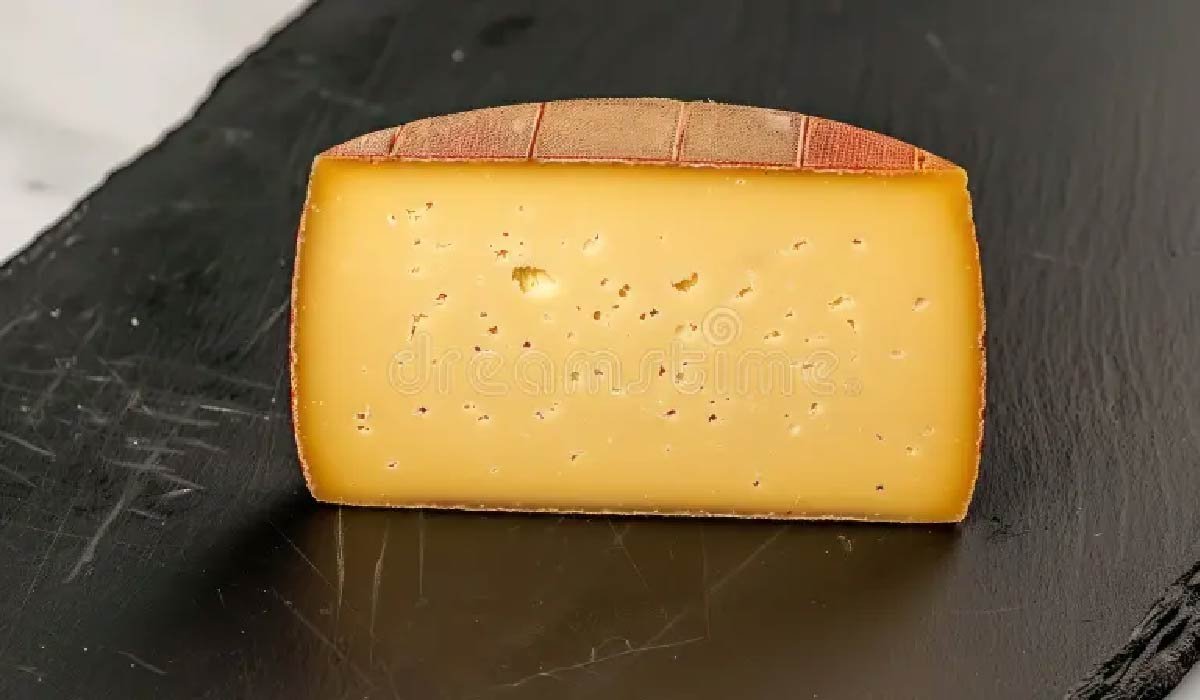
What Is Grouse Cheese?
Grouse cheese is a mysterious and fascinating term that sparks curiosity among chefs, food writers, and cheese lovers alike. Despite how it sounds, grousecheese is not a widely available product you can pick up at the grocery store. Instead, it represents two different but equally intriguing interpretations. The first interpretation is culinary: a gourmet pairing that combines wild grouse meat—a game bird known for its rich, earthy flavor—with cheeses that complement it.
This version of grouse cheese is more of a gourmet concept than a product, appearing in upscale restaurants, seasonal dishes, and chef-inspired creations. The second interpretation is rooted in tradition and geography: it refers to a rare, artisan cheese produced in remote highland areas where grouse birds naturally live. These are typically raw milk cheeses made from sheep or goat milk, aged naturally in caves, and infused with the flavors of the wild terrain where the animals graze.
As interest in traditional food and foraged ingredients grows, so too does curiosity about grouse cheese—whether imagined on a menu or handcrafted in mountain villages. This article explores both meanings in full detail, offering readers a complete, informative guide to what makes grousecheese so special.
The Two Faces of GrouseCheese: Concept and Craft
Grouse cheese is not a branded cheese product; rather, it is a flexible culinary idea with two valid interpretations. The first is that of a gourmet pairing where chefs combine roasted or smoked grouse—a wild bird found in European forests and moors—with strong cheeses like aged cheddar, smoked gouda, or blue cheese. This use of “grousecheese” reflects a sophisticated understanding of flavor balance, where bold game meat is elevated by creamy, salty, or smoky cheese.
It often appears in fine dining restaurants and game-season menus. The second interpretation is more literal and agricultural. In this case, “grouse cheese” refers to artisan cheeses made in mountainous areas where grouse birds live. These cheeses are not made from grouse meat, but the term connects to the land—moorlands, alpine pastures, and rugged terrains rich in wild herbs and grasses.
These environments shape the flavor of the milk used in cheese-making, leading to deeply complex cheeses with herbal, earthy profiles. So while grousecheese may sound like a novelty, it actually represents a powerful culinary idea that blends wild game, regional heritage, and traditional food practices.
Why Grouse Matters: Understanding the Game Bird Behind the Name
To fully understand grouse cheese, it’s important to understand grouse—the bird itself. Grouse is a wild game bird native to parts of Europe and North America, particularly abundant in the United Kingdom’s Scottish Highlands. It is known for its rich, earthy, and slightly gamy flavor, often compared to pheasant but deeper and more intense.
Grouse meat is typically seasonal and appears in autumn or winter menus, making it a prized dish for holiday meals and rustic gourmet cooking. Because of its strong flavor, grouse pairs best with robust ingredients that can match its depth, such as smoked or aged cheeses.
Mild cheeses tend to get lost against the flavor of the meat, while stronger cheeses like blue cheese, manchego, or gruyère create balance. This pairing, whether imagined on a dish or served in a restaurant, is part of what gives the term “grouse cheese” its appeal. It evokes the idea of seasonal luxury, wild landscapes, and culinary creativity.
Best Cheeses to Pair With Grouse Meat: A Gourmet Approach
The best cheeses to pair with grouse meat are bold, aged, and rich in character. These cheeses hold their own against the dense, gamey flavor of roasted or smoked grouse. One top choice is aged cheddar, known for its sharp, nutty profile that adds intensity and complexity. Smoked Gouda is another favorite, offering smoky, creamy notes that blend seamlessly with fire-roasted game.
Manchego, a Spanish sheep’s milk cheese, brings a buttery texture and slight tanginess that rounds out the wildness of grouse. For those who enjoy blue cheese, Roquefort or Gorgonzola provide a bold, salty counterpoint to the bird’s earthy taste.
Lastly, Gruyère offers sweet and salty undertones along with excellent melting properties, making it ideal for tarts, stuffings, or warm sauces over meat. These cheeses are more than accompaniments—they are key players in the dish, transforming it into a gourmet experience.
The True Artisan GrouseCheese: Born From Wild Landscapes
In its more literal and traditional form, grouse cheese is a type of raw milk cheese produced in mountainous, highland regions where grouse birds naturally roam. These areas include the Scottish Highlands, the French Vosges, Northern Italy’s Trentino-Alto Adige region, rural Slovenia, and parts of Austria.
The cheese doesn’t contain grouse meat but is named for the terrain, which is shaped by the same natural environment that sustains the bird. Farmers in these areas rely on free-grazing sheep and goats, which feed on wild herbs, grasses, moss, and flowers.
The milk they produce reflects the terroir—the unique flavor of the land. Grousecheese is usually made in small batches, using raw, unpasteurized milk and traditional methods. It is aged in natural caves or cellars, where wild molds form on the rind and add depth to the flavor.
The result is a semi-hard cheese that is herbaceous, earthy, and incredibly nuanced—often described as tasting like the forest floor after rain. Because of its unique conditions and slow, seasonal production, true grouse cheese is extremely rare and prized among cheese connoisseurs.
How Grouse Cheese Is Made: Traditional Methods Step by Step
Grouse cheese is made using age-old processes passed down through generations of shepherd families. First, raw sheep or goat milk is collected, often in the early morning. The milk is never pasteurized, preserving its wild microbial culture. It is hand-filtered and poured into large vats, where natural rennet—sometimes made from thistle or nettle—is added. The milk slowly curdles over several hours, and the curds are then hand-cut and pressed into molds lined with cheesecloth.
These molds are weighted down using natural materials like stones or wooden blocks. After forming, the cheese wheels are either soaked in brine or dry-salted by hand. In some cases, herbs like juniper or yarrow are added to the rind. Aging takes place in natural caves or earth cellars for a minimum of three months, with many wheels aged for over a year. During this time, the cheese is turned and brushed regularly to control the growth of wild molds, which gives it its unique rind and flavor complexity. This slow, patient process produces cheese that is deeply tied to the environment in which it was made.
Flavor and Texture Profile: What Does GrouseCheese Taste Like?
The taste of grouse cheese is like a bite of the wilderness. It’s earthy, mossy, and herbal, often carrying notes of smoke, dried mountain herbs, and even a hint of gaminess depending on the grazing land. The aroma is rich and complex—think wet forest, old stone, and wild thyme. The texture depends on its age: younger wheels are elastic, pliable, and creamy, while aged versions become crumbly, firm, and deeply savory.
The interior paste of the cheese is typically golden-amber, while the rind is natural, cracked, and rustic. When compared to other cheeses, grousecheese might remind you of Ossau-Iraty or aged Comté, but with a wilder, more untamed edge. It’s a cheese meant to be savored slowly, one that reveals new layers of flavor the longer it sits on your tongue.
How to Use GrouseCheese in Cooking: Gourmet and Rustic Ideas
Grouse cheese isn’t just for cheese boards—it can elevate many rustic or gourmet dishes. When paired with grouse meat, it can be used to create dishes like grouse and cheese tart, where shredded roasted grouse is layered with Gruyère and onion marmalade inside puff pastry. Another idea is grouse pâté with blue cheese, where creamy pâté meets a sharp tang.
For those avoiding meat, grousecheese can enhance vegetarian meals too. Imagine a mushroom risotto finished with shaved grousecheese or a grilled cheese sandwich with fig jam and grouse cheese melted between sourdough slices. Roasted vegetables like turnips, parsnips, or beets also pair beautifully with melted wedges of this cheese. The goal is to use the cheese’s earthy richness to deepen the overall flavor of the dish.
Can Grouse Cheese Be Made Into a Spread? Yes—Here’s How
Though you may not find “grouse cheese spread” in stores, you can easily make your own at home. Start with cream cheese or soft goat cheese, and blend it with finely shredded roasted grouse (if available), a teaspoon of Dijon mustard, a handful of chopped chives, and a dash of salt and pepper.
This spread is savory, creamy, and packed with flavor. It can be served as a party dip, used in sandwiches, or spread on rye crackers with a drizzle of honey. Even if you don’t have actual grouse, you can mimic the flavor with smoked poultry or use the cheese alone for a delicious, rustic dip.
Grouse Cheese on a Charcuterie Board: A Visual and Flavor Showcase
Grouse cheese is perfect for a high-end charcuterie board, especially if you want to impress guests with unique, wild-sourced ingredients. Feature it as the star cheese alongside slices of roasted grouse breast or other game meats. Add supporting flavors such as fig jam, pickled onions, rosemary crackers, smoked almonds, and black olives. The key is to balance sweet, salty, rich, and tangy flavors for a complete tasting experience. Garnish the board with herbs like thyme or rosemary to reflect the wild, alpine spirit of the cheese.
Perfect Beverage Pairings for GrouseCheese
The right wine or beer can enhance grouse cheese’s complex flavor. For wines, choose bold reds like Syrah or Shiraz with their spicy, dark-fruit profiles. Chardonnay, especially oak-aged, pairs well with the cheese’s creaminess. For a decadent option, try Port wine, which balances salty cheese with sweet depth. On the beer side, amber ales work wonderfully due to their malty body. Stouts offer creamy richness, and saison beers add a spicy, floral lift. Each beverage adds a new dimension to the grousecheese experience.
Cultural Significance and Traditional Roots of GrouseCheese
In its native highland regions, grouse cheese is more than food—it is culture, identity, and even folklore. It’s often used in seasonal celebrations, weddings, and barter economies in rural villages. Stories passed down in oral tradition speak of hidden wheels of cheese sustaining communities through harsh winters. In many areas, a wheel of grouse cheese is given as a gift during harvest festivals or symbolic offering during solstice feasts. It reflects not only a food product but a way of life—tied to the land, seasons, and community.
Availability and Authenticity: Can You Buy GrouseCheese?
Currently, grouse cheese is not a mass-produced or branded product, and finding it can be difficult outside of Europe. Some boutique cheese shops in London, Berlin, or San Francisco may stock it in limited supply, especially during food festivals or artisanal fairs. Be cautious of fakes—industrial imitations may try to cash in on the name. Authentic grouse cheese will often be labeled with the name of the cheesemaker, a PDO certification, or a regional indication. If unsure, ask for cheeses made in grouse-inhabited areas with raw sheep or goat milk.
Preservation and Challenges Facing GrouseCheese Today
Despite its beauty, grouse cheese faces several challenges. First is the aging labor force—many traditional cheesemakers are over 60, with few younger people taking up the trade. Then there’s the regulatory pressure around raw milk cheeses, which face bans or limits in international markets. Climate change also threatens the fragile ecosystems that sustain wild grazing. Conservation groups are working to establish protective labels like PDO status, promote young cheesemaker education, and support sustainable practices to keep grouse cheese alive for future generations.
Sustainability and Ethics Behind GrouseCheese and Game
Ethically sourced grouse meat and artisan cheese both represent sustainable alternatives to industrial agriculture. Grouse hunting is seasonal and regulated, ensuring population control and ecosystem balance. Grouse cheese production relies on natural pastures, animal welfare, and small-scale methods that reduce environmental impact. Buying these products supports local economies, promotes biodiversity, and encourages the conservation of rural landscapes and traditional knowledge.
Final Thoughts
Grouse cheese is more than just food—it’s a story, a culture, and a call to reconnect with nature. In a world full of processed products and standard flavors, it offers something truly special: a cheese shaped by land, weather, animals, and people. Whether enjoyed as a gourmet pairing with game meat or savored as an artisan product from the mountains, grouse cheese reminds us of the value of tradition, flavor, and mindful eating. For food lovers, chefs, and curious eaters alike, grousecheese is not just worth trying—it’s worth preserving.
FAQs About Grouse Cheese
What is grouse cheese?
Grouse cheese can refer to two things: a gourmet pairing of cheese with roasted grouse meat, or a rare artisan cheese made in highland areas where grouse birds live. It is not made from the bird itself.
Does grouse cheese contain actual grouse meat?
No, grouse cheese does not contain any bird meat. The name either refers to cheese served with grouse meat or cheese made in areas where grouse birds live and graze.
What does grouse cheese taste like?
Grouse cheese has a rich, earthy, and herbal flavor. It often tastes smoky, nutty, and slightly mossy due to the wild herbs eaten by the sheep or goats that produce the milk.
Where can I buy grousecheese?
Grousecheese is not widely available in stores. It may be found in specialty cheese shops in Europe or through boutique importers in cities like London, Berlin, or San Francisco.
What cheese goes best with grouse meat?
The best cheeses to pair with grouse meat are aged cheddar, smoked Gouda, manchego, Roquefort, and gruyère. These cheeses balance the strong flavor of grouse with bold, creamy, or smoky notes.
You May Read Also: iloveprive.com Review: The Ultimate Luxury Experience Online