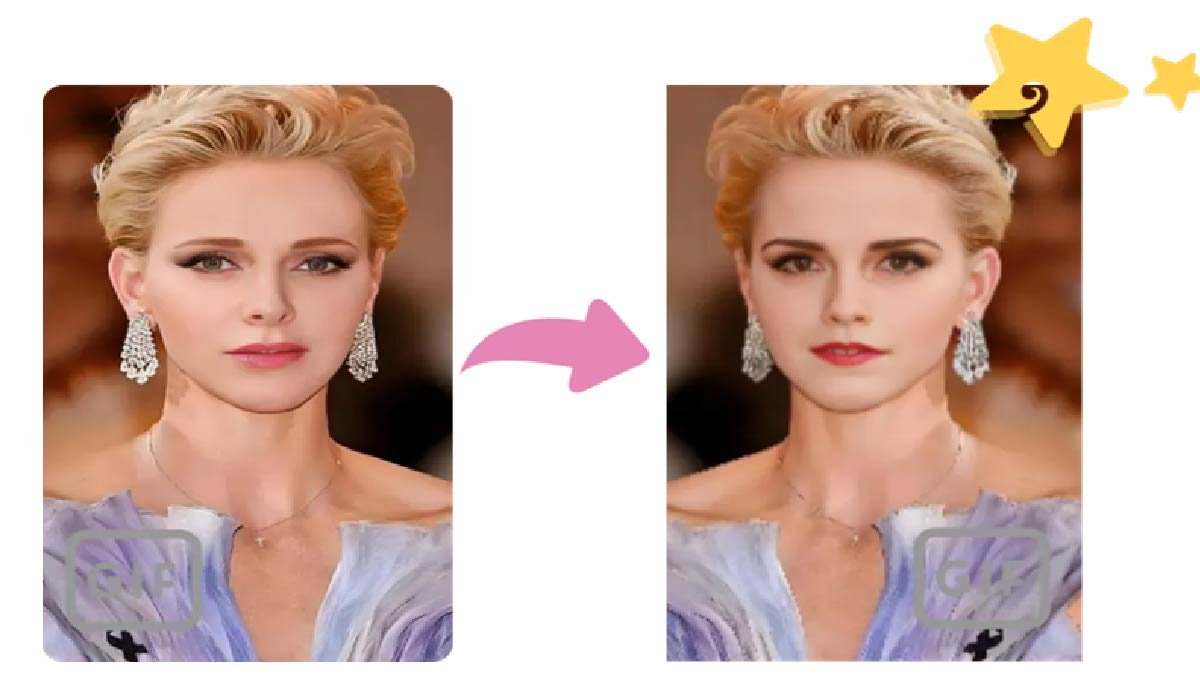
Video Face Swap is leading the way in AI-powered creativity with its two standout features: AI face swap and AI image generator. These are applications that allow for easy manipulation of images so that individuals can obtain beautiful images with a lot of ease. In this ‘How to’ guide we will take you through a step-by-step process on how to utilize both effectively and take your images to the next level.
Step-by-Step Guide to Using AI Face Swap
The AI face swap helps you swap out faces in a picture and get stunning, creative, or useful alterations with little to no errors. Here’s how to use it:
Step 1: Brush Over the Area You Want to Change
The first step in using the Video Face Swap feature is to select the specific area of the image you want to modify. This is done by brushing over the desired section. Imagine you have an image where you want to alter a particular element, such as changing the color of a car or replacing a background. You would use the brush tool to highlight that exact area.
- Precision is Key: The brush tool allows you to precisely outline the region you want to change. The more accurately you brush, the better the AI will understand which part of the image needs to be altered. You can adjust the size of the brush to either cover large sections or focus on fine details.
- Considerations: While brushing, be mindful of the edges of the area you are selecting. A clean and accurate selection ensures that the new image blends seamlessly with the unchanged parts of the original image.
Step 2: Enter Your Prompt
After you have brushed over the area you want to modify, the next step is to provide a prompt that guides the AI in generating the new image.
- Be Descriptive: The prompt is essentially a set of instructions for the AI. The more detailed your prompt, the better the AI will understand your intent. For example, if you want to replace the background of an image with a beach scene, you could enter a prompt like, “tropical beach with palm trees and clear blue water.”
- Keywords Matter: Including specific keywords in your prompt can greatly influence the outcome. Words like “realistic,” “vibrant,” or “minimalist” can help the AI understand the style you’re aiming for.
- Examples of Prompts: If you’re changing the color of a car, a prompt could be “convert car color to metallic red.” If you’re replacing a background, a prompt like “swap background with a sunset landscape” would be appropriate.
Step 3: Generate Your New Image
Once you’ve entered your prompt, you’re ready to generate the new image. This step involves the AI processing your request and applying the changes to the selected area.
- AI Processing: The AI will analyze the brushed area and the prompt you provided. It uses its algorithms to replace or modify the selected portion of the image according to your instructions.
- Review and Edit: After the new image is generated, review the changes. If the result isn’t exactly what you were looking for, you can adjust the prompt and regenerate the image. Video Face Swap is designed to iterate based on feedback, so feel free to experiment with different prompts until you achieve the desired effect.
- Final Touches: Sometimes, after the AI has generated the new image, you may want to make further adjustments. You can use additional tools within Video Face Swap to refine the result, ensuring that the new image perfectly meets your expectations.
Step-by-Step Guide to Using AI Image Extender
The AI image generator, especially the AI image extender, is a tool that lets you extend your picture beyond its frame’s edges and adds realistic details to the image’s periphery in a very natural manner. This is how you can use it effectively:
Choose the Icon to Expand
The first step of course is to select an image that you wish to blow up. If you want to gain more space at the top or bottom of a given landscape, or if you want to have additional space around a person for a portrait, best believe the AI image generator will offer just that without compromising on the picture’s quality and authenticity.
Upload the Image
Access Video Face Swap image extender located at a particular section of its webpage and upload the selected picture. As is the case with the AI face swap, the platform supports several formats of images. After uploading the image you are ready for the editing to be done and this will be done through the editing tab.
Choose the Extension Direction
Choose to which side you want to expand the image, left or right, up or down. Video Face Swap also enables you to distort the image in one or, if necessary, in two directions depending on your web design preferences. This is ideal when you wish to keep the aspect ratio of your picture constant while at the same time, you do not wish to lose any part of the photo.
Customize the Extension
Video Face Swap uses the uploaded image as a reference to generate new content that seamlessly extends beyond the edges of the original frame. For example, when extending a landscape, Face Swap Video may create new elements such as clouds, trees, or other natural features that match the style and feel of the original image, ensuring a cohesive extension.
Use and evaluate the Extended Image
In this case, when you set the direction and amount of extension by clicking on the “Apply” button, high-end AI processing will take over and fill the newly extended areas of your image with details that are likely to be in harmony with the rest of your image in terms of style, lighting, and subject. This assists in keeping the general continuity and seemliness of the image extended peculiarly throughout the region of the face.
Final Tweaks and Download
Once the extended parts of an image have been generated by Face Swap Video, it is advisable to have a look at the improvements that have been made. You can achieve small changes if needed or apply for another extension in case you are hunting to exaggerate the image more. Once you have given it the final touch or maybe gotten the result you wanted, right-click on it or click on download image to get the high-resolution copy.
Tips for Maximizing Face Swap Video Tools
To get the best results with both the AI face swap and AI image generator, here are some additional tips:
- Choose High-Quality Images: There are no questions as such but there are certain things that need to be kept in mind like, always capturing the images at the highest resolution possible. This assures the AI of adequate material to handle hence making the transitions smooth and producing near-reality answers.
- Experiment with Different Angles: For face swapping, it is appropriate to use faces that are faced at a similar angle and that are photographed under similar lighting conditions. The former does this to decrease the amount of tweaking that needs to be done by the AI to make the voices sound more balanced.
- Try Multiple Variations: Do not be afraid to tinker with the settings and modes. Face Swap Video is quite adaptable and if one draws a different face or if one tries to expand an image in different dimensions, quite new and innovative results can be achieved.
- Use for Various Projects: No matter if you are creating professional marketing materials or participating in a creative DIY project, the products of Face Swap Video are usable in any process. The AI face swap can be great for sharing entertaining posts on social networks, while the AI image generator can be handy for creating more materials to be shown on blogs, posters, websites, etc.
Conclusion
This makes it easier for you to take advantage of the Face Swap Video tools and create great image-based solutions as described below. The AI face swap is a playful and effective tool to transform pictures, the AI image enlarges – to extend pictures realistically.
We are the one-stop source to free your creativity, Face Swap Video gives us all the tools that you require. If it is needed to substitute a face for a humorous picture or to stretch an image to fit a new layout, users can be sure, that Face Swap Video provides high speed and efficiency for such operations.